
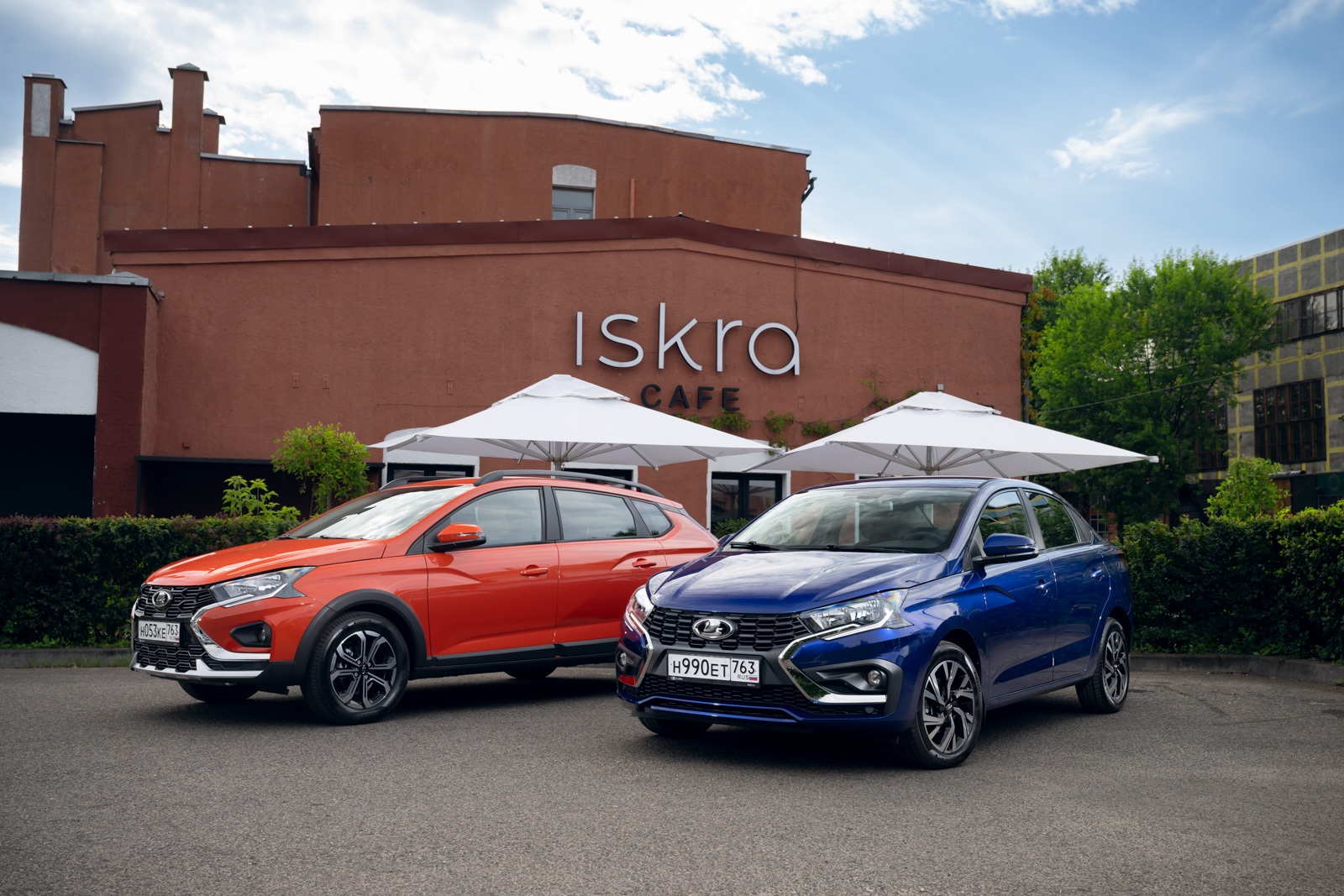
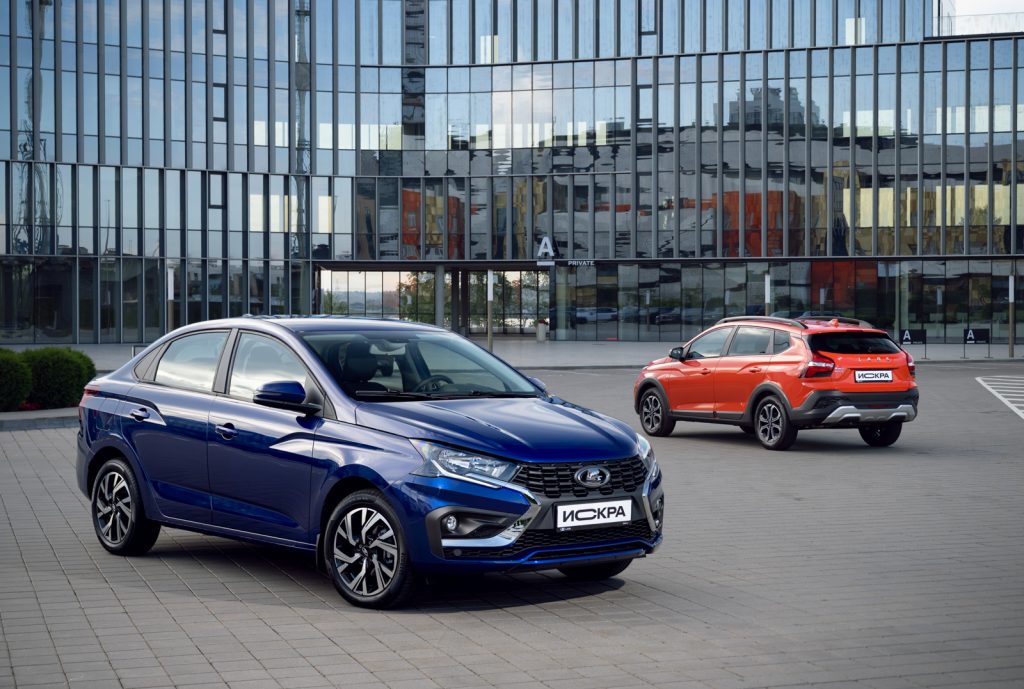
Experts from the Za Rulem publication have summarized the interim results of Lada Iskra road tests. The car has covered approximately 10,000 kilometers over three months, and both successful solutions and questionable design issues have already been identified.
One of the observations was the operation of the hood seal. Unlike earlier versions of the Lada Vesta, where it was composite, the Iskra uses a single piece along the entire edge. However, this did not help completely protect the engine compartment from contamination—a noticeable amount of dust and dirt still accumulated there over time.
The washer fluid level sensor raised separate questions. Despite the presence of an indicator, it works inconsistently when the car is tilted, warning of a low level prematurely.
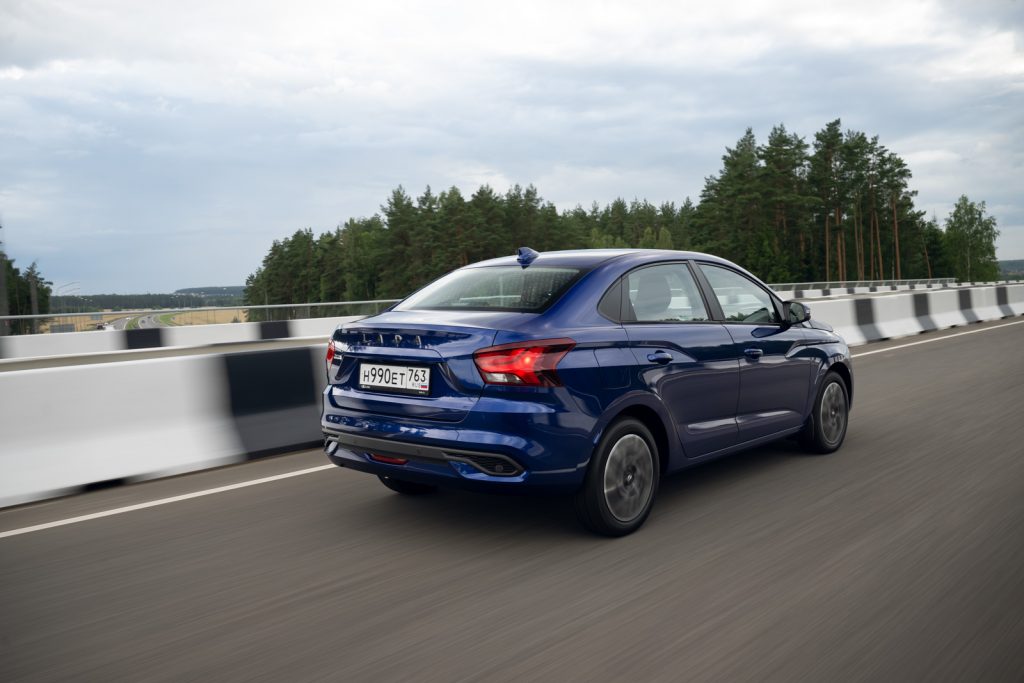
There are practical advantages, too. The trunk is roomy—it easily accommodates a set of winter tires and a bicycle. However, it is not without its drawbacks: the plastic trim scratches easily, even when transporting blunt objects. Also noted is the lack of connection of the interior light connector, despite the modern LED element.
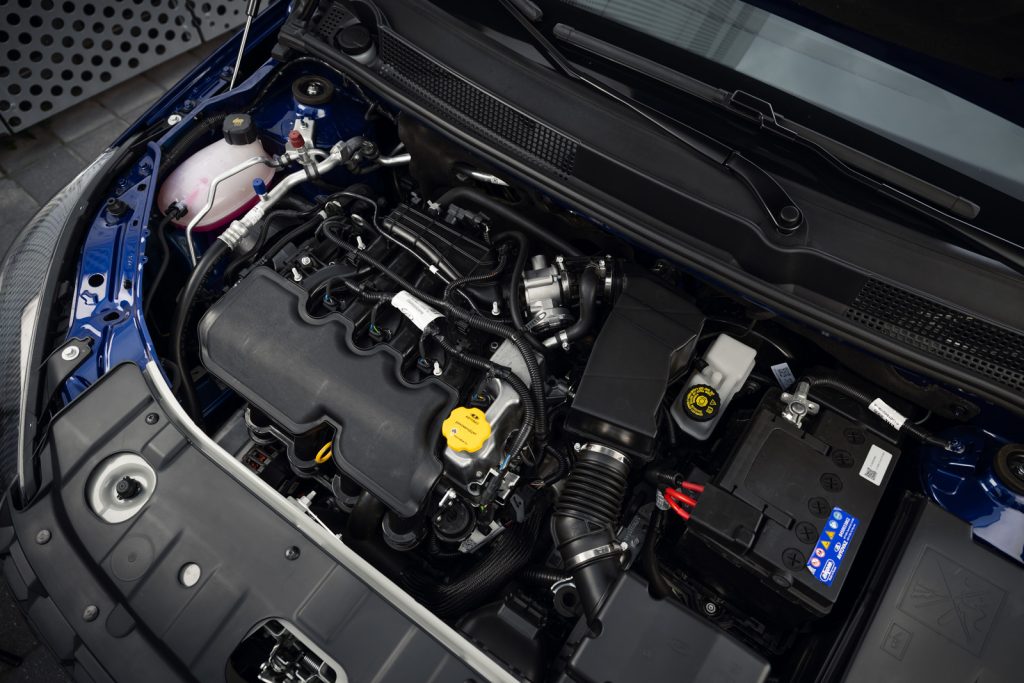
The test results show: Lada Iskra combines successful engineering solutions with a number of small but noticeable flaws that appear in real operation.