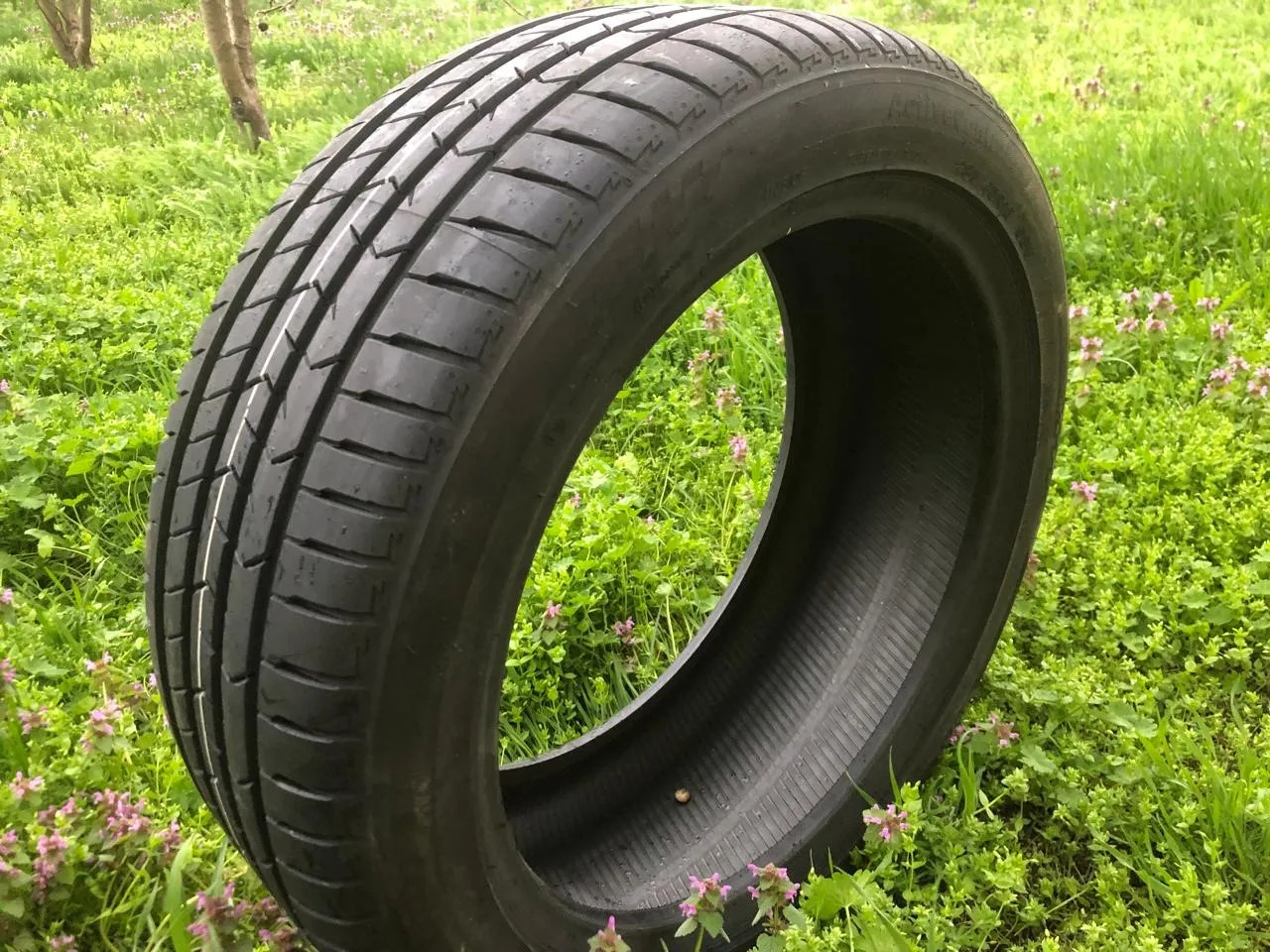
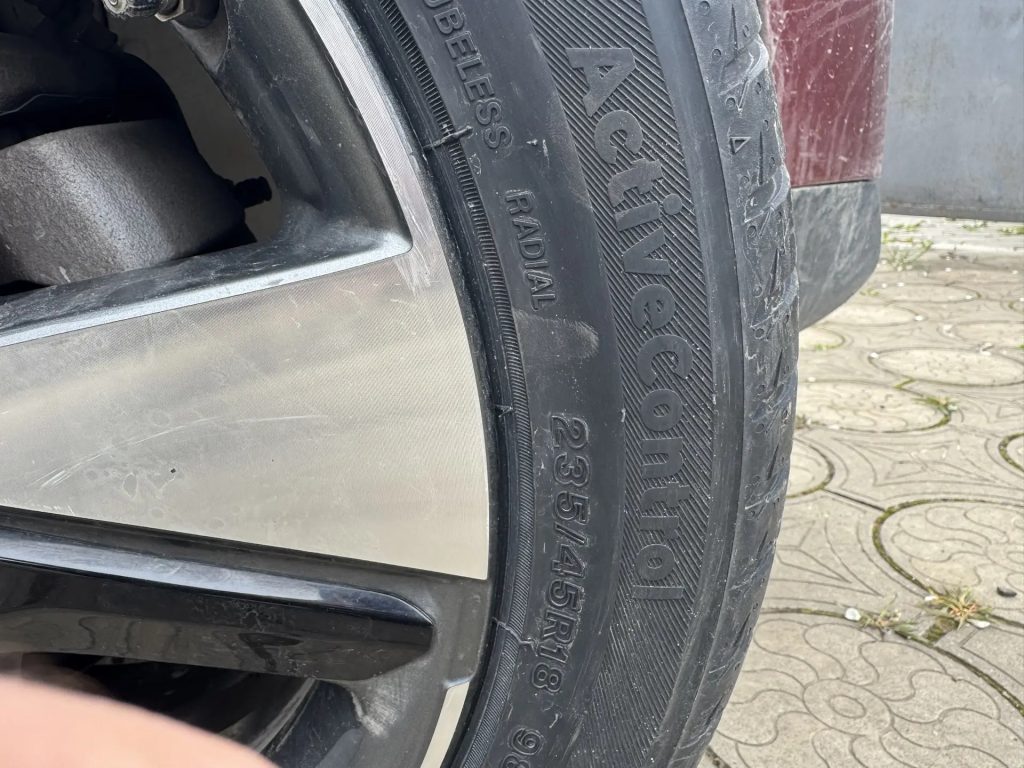
There are cars that don’t require the driver to perform any feats, but simply offer a comfortable and straightforward ride from point A to point B. The third-generation Kia Soul is one of those cars. It’s an urban crossover with character, but without sporty ambitions. That’s why the choice of tires is especially important. They should emphasize the balance between comfort, control, and safety. We installed a set of Gislaved ActiveControl tires in size 235/45 R18 and conducted a full test in mixed conditions.
First impression: quiet and soft
In our case, the no-longer-young Soul, manufactured in 2019, had driven tens of thousands of kilometers on the standard Korean Hankook tires, and it was time to replace them. We chose the Gislaved Active Control. This model is ideal for small and mid-size passenger cars and crossovers, developed by the Intyre Scientific and Technical Center of the Cordiant holding company. It is based on the Bridgestone Alenza 001 tire, but Russian specialists have made changes and modifications to it to improve performance characteristics. This is an improved and refined Bridgestone, adapted to Russian conditions.
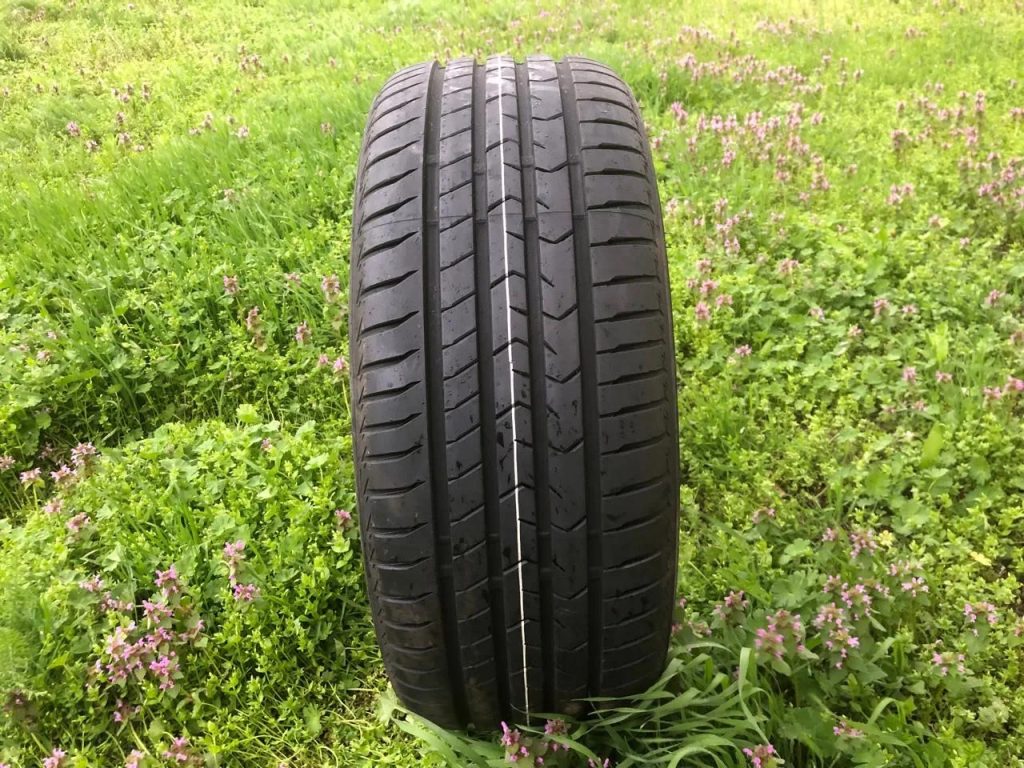
The tread uses new types of rubber from leading global manufacturers, as well as a highly dispersed silica filler, which improves directional stability and traction on dry and wet roads. Upon visiting the tire shop, employees immediately note the high quality of the tires.
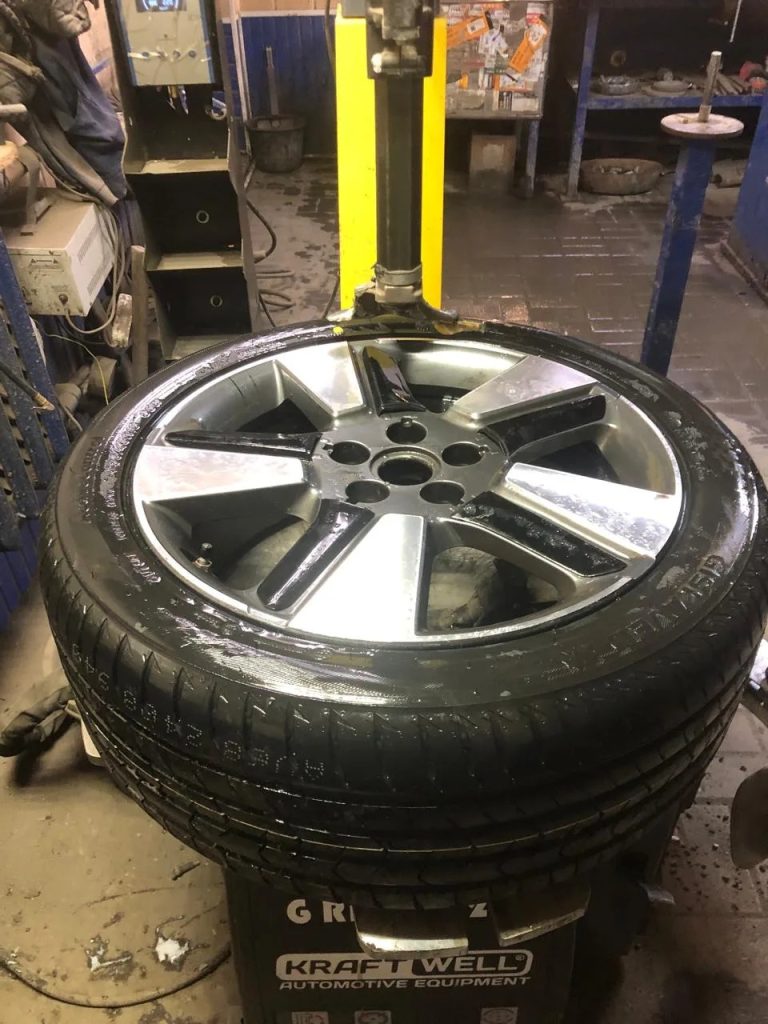
Fitters say that after most Western brands left Russia, Gislaved produces some of the best tires in the country in terms of quality, reliability, and durability. The tires are manufactured at the Gislaved factories of the Cordiant tire cluster in Kaluga and Ulyanovsk. So, the new wheels are installed and it’s time to hit the road.
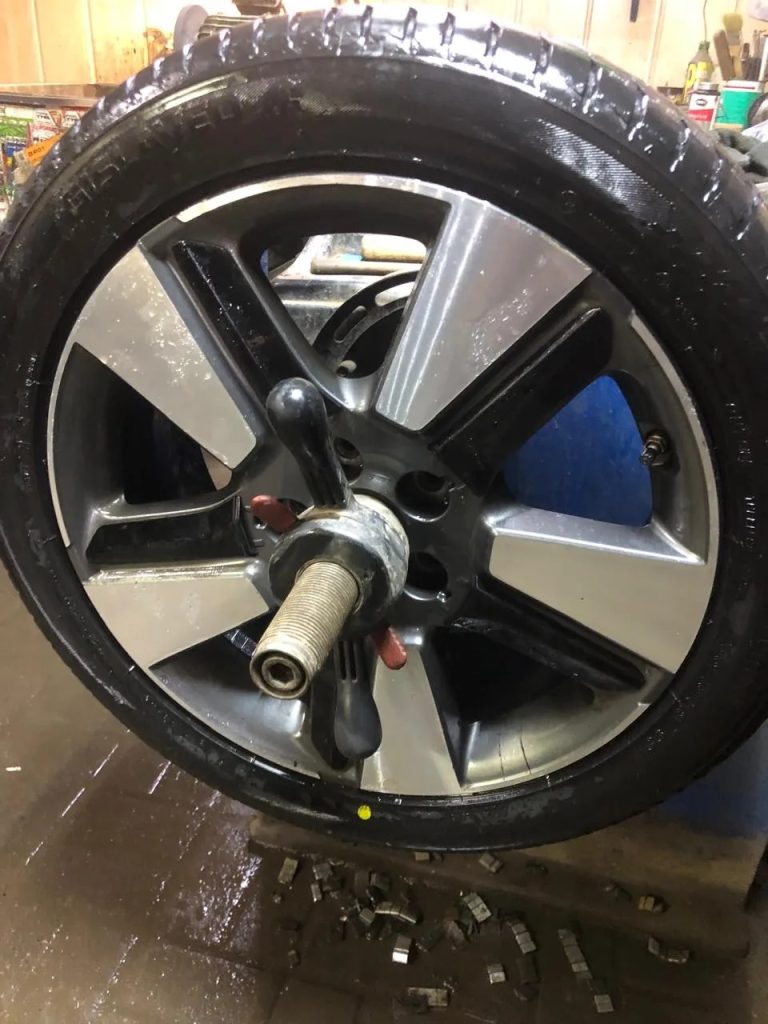
From the first kilometers, it becomes clear: these tires were made with comfort in mind. Even on less than ideal asphalt, the Soul behaves composedly, without unnecessary shaking. Small irregularities literally dissolve under the wheels, and road noise remains surprisingly low, even for a forty-five profile.
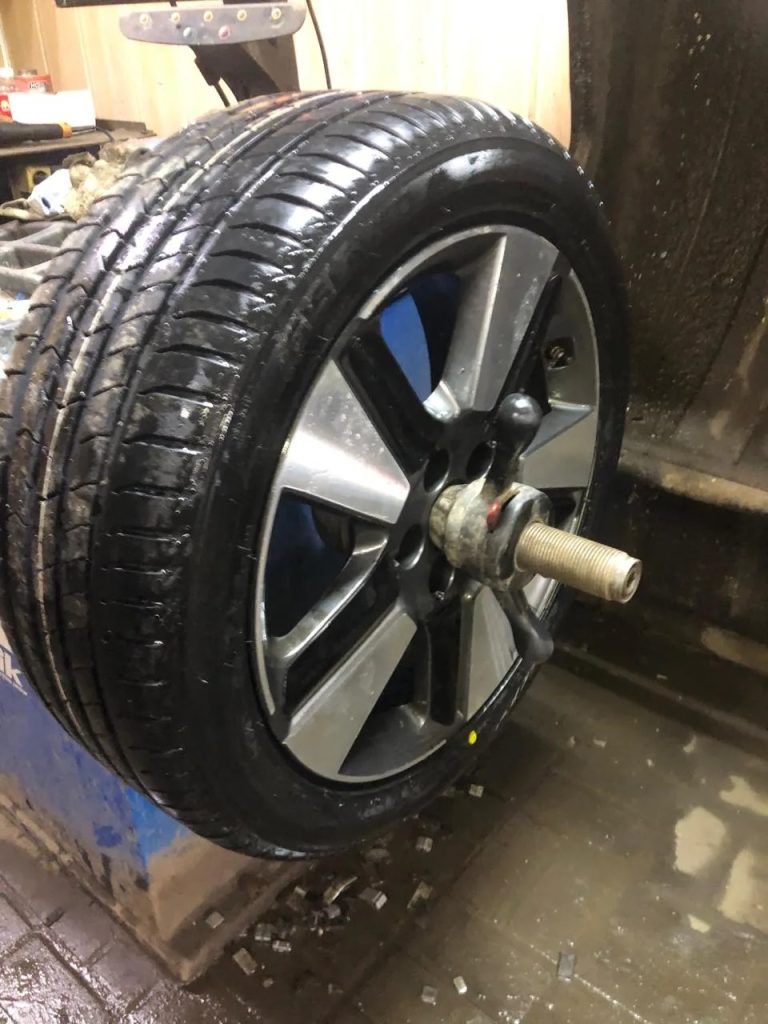
Handling: calm above all
The Kia Soul is not a sports car, but this does not mean that it cannot please with the precision of its reactions. With Gislaved ActiveControl, steering becomes more predictable. The tires confidently hold the trajectory, especially on long turns. There are no sudden breaks or unpleasant surprises. The car’s handling is smooth and clear.
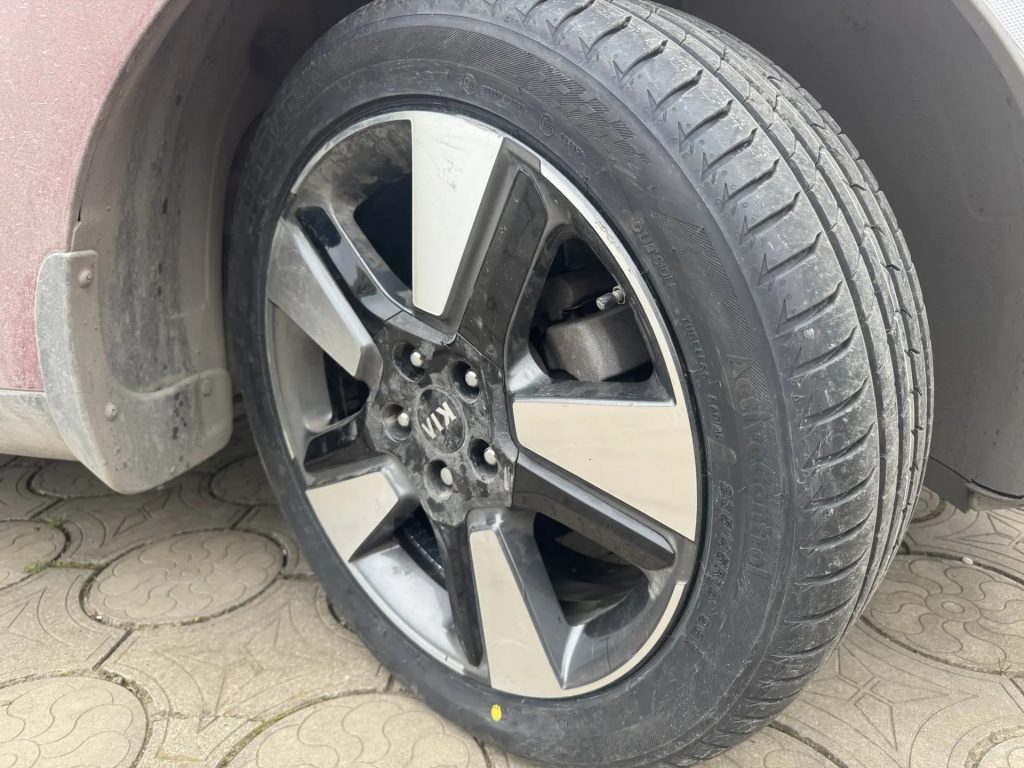
The combination of 2D and 3D sipes in ActiveControl increases the longitudinal rigidity of the tread, which ensures good directional stability, including during acceleration and braking. The inclination of the walls of the main grooves reduces the lateral deformation of the tread blocks, which has a positive effect on the car’s handling.
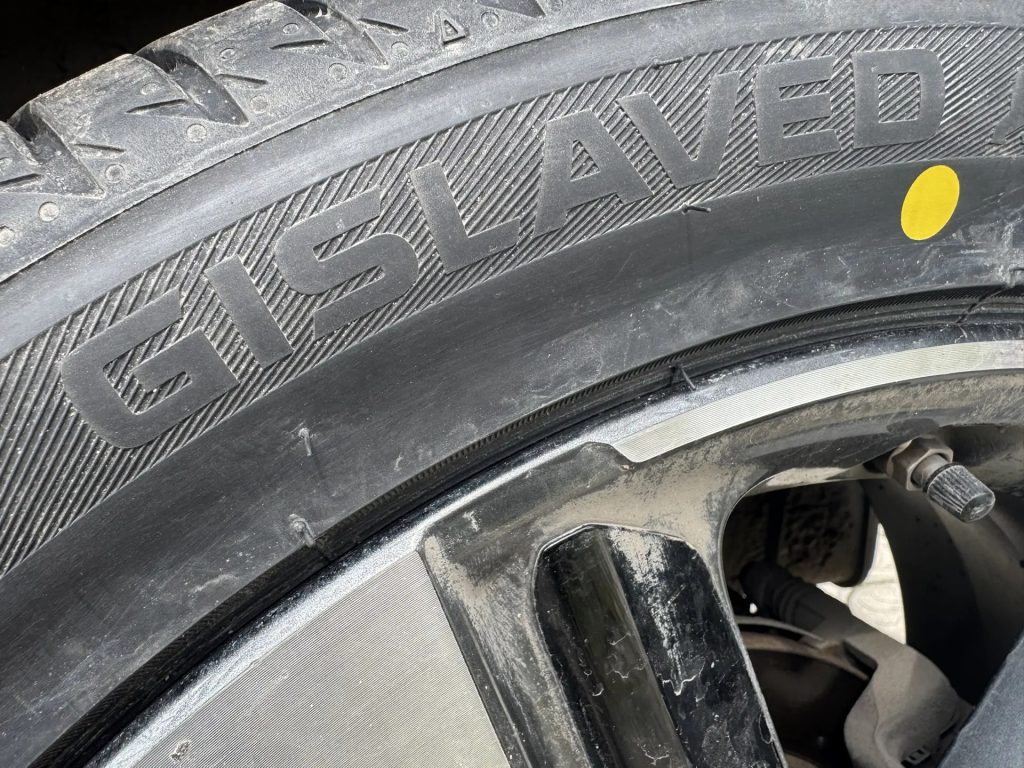
On dry asphalt, the tires demonstrate a decent level of grip: the braking distance is short, the reactions are linear. In rainy conditions, ActiveControl reveals itself even more interestingly. Water-diverting grooves effectively cope with aquaplaning. Even when driving through puddles, the Soul maintains control, and the steering wheel does not “empty”. Longitudinal dynamics and braking remain confident on any surface, including wet ones, where the rubber compound of the top tread layer is especially important. In this case, an imported compound, not Chinese-made, is used.
Handling on poor roads
Not all city streets boast perfect surfaces, and here these tires show their best side. The reinforced sidewall helps cope with potholes and joints, reducing the risk of damage. At the same time, comfort is not compromised, achieving a rare balance for low-profile tires. After several hundred kilometers, it is noticeable that the tires have moderate rolling resistance. Fuel consumption remains within the normal range, without a noticeable increase.
Highway Behavior
Of course, the Kia Soul can’t “pound the bullet” like a race car, but on the highway, speeds over 110-130 km/h are easy for it. ActiveControl is not a purely sports tire, but it is not a quiet budget one either. On a straight line, the car holds steady, without “wandering”. Reinforced central ribs and a rigid design provide good stability on the highway. The car remains predictable even during active driving. Steering response is quite precise, but less sharp than with sports tires. There is a slight smoothness of response during quick lane changes. Overall, the handling is predictable, with no sudden changes
Summary
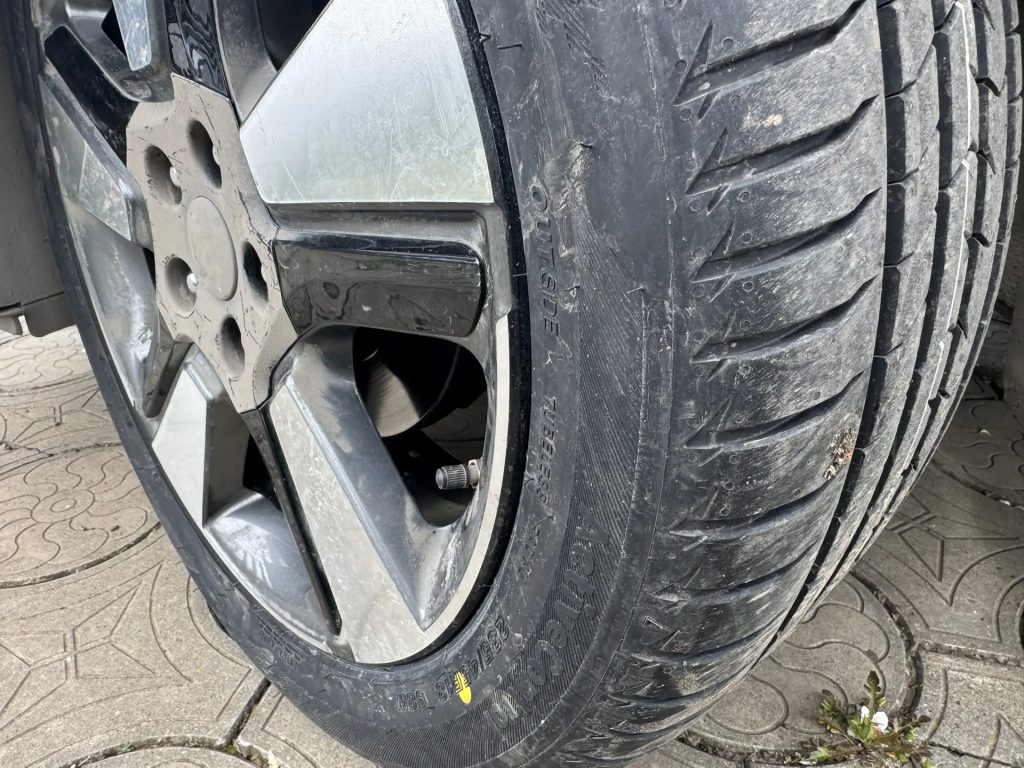
Premium Gislaved ActiveControl tires can be confidently recommended to those who value comfort, predictability, and safety. These tires don’t turn the car into a sports car, but they make every drive more enjoyable and confident. If quietness, stability, and confident handling in the rain are important to you. One of the strong points: aquaplaning appears late, and grip remains stable even in puddles at reasonable speeds. In terms of acoustics, ActiveControl can be called a solid mid-range tire of a good level.
Of course, it won’t be as quiet as the more premium Gislaved PremiumControl, but ActiveControl doesn’t have any annoying hum either. Gislaved ActiveControl tires offer the best value for money, and among officially available tires, they’re even one of the best options. There are plenty of cheap, low-quality Chinese tires on the market today, and buying parallel imported tires can easily lead to counterfeiting.
Gislaved tires are even cheaper, and their quality is just as good as parallel imported tires. You won’t have to worry about finding the right size or waiting for them to be delivered. As for price, the average price for a set of tires tested is 62,000-65,000 rubles. While that might seem expensive to some, parallel imported tires are even more expensive.