
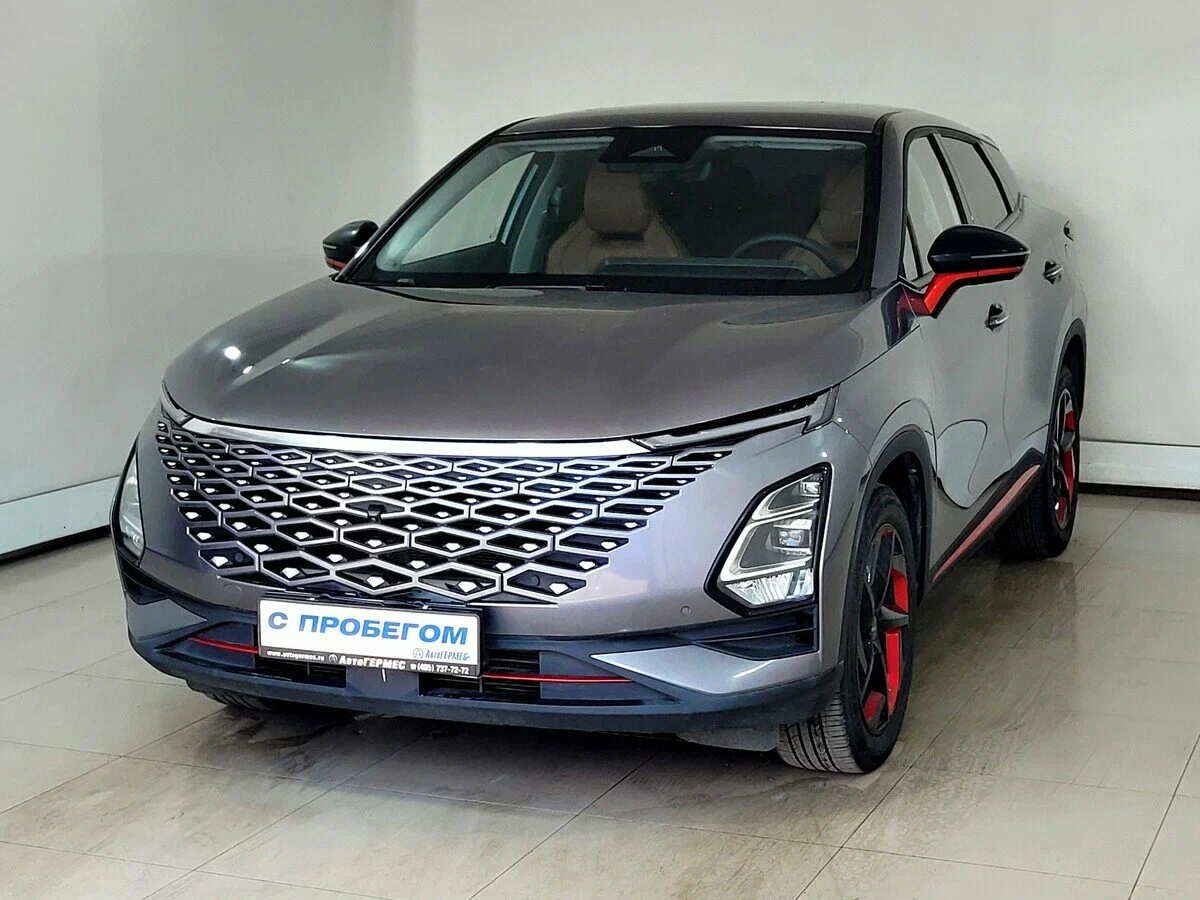
The Omoda C5 is one of those cars that looks more attractive on the used market than when you bought it new. Its striking design, rich features, turbocharged engine, and relatively low price mean you can currently find a three-year-old C5 for approximately 1.5–1.9 million rubles. However, along with the attractive price, buyers also face the typical issues for a relatively young Chinese model: gearbox reliability, electronic glitches, maintenance costs, and future marketability.
At the time of writing, there were over a thousand used Omoda C5s on the market. For example, a 2023 model with a 1.5 Turbo, CVT, and front-wheel drive is offered for approximately 1.6–1.9 million rubles, depending on mileage and configuration. All-wheel drive cars with a 1.6 Turbo and automatic transmission usually cost around 1.8–2.1 million rubles. There are also options cheaper than 1.5 million rubles, but in this case you need to check the car’s history especially carefully.
What is the Omoda C5
The bulk of cars on the Russian secondary market are cars of the first years of production. The most common option is the front-wheel drive C5 with a 1.5 gasoline turbo engine with a capacity of 147 hp and a CVT25 CVT. A more expensive version received a 1.6 engine with a capacity of 150 hp, a robotic gearbox and all-wheel drive.
It is the 1.5 CVT that seems the most logical choice for the city. It has enough power, does not have the unnecessary complication of all-wheel drive, and there are significantly more such cars on the market.
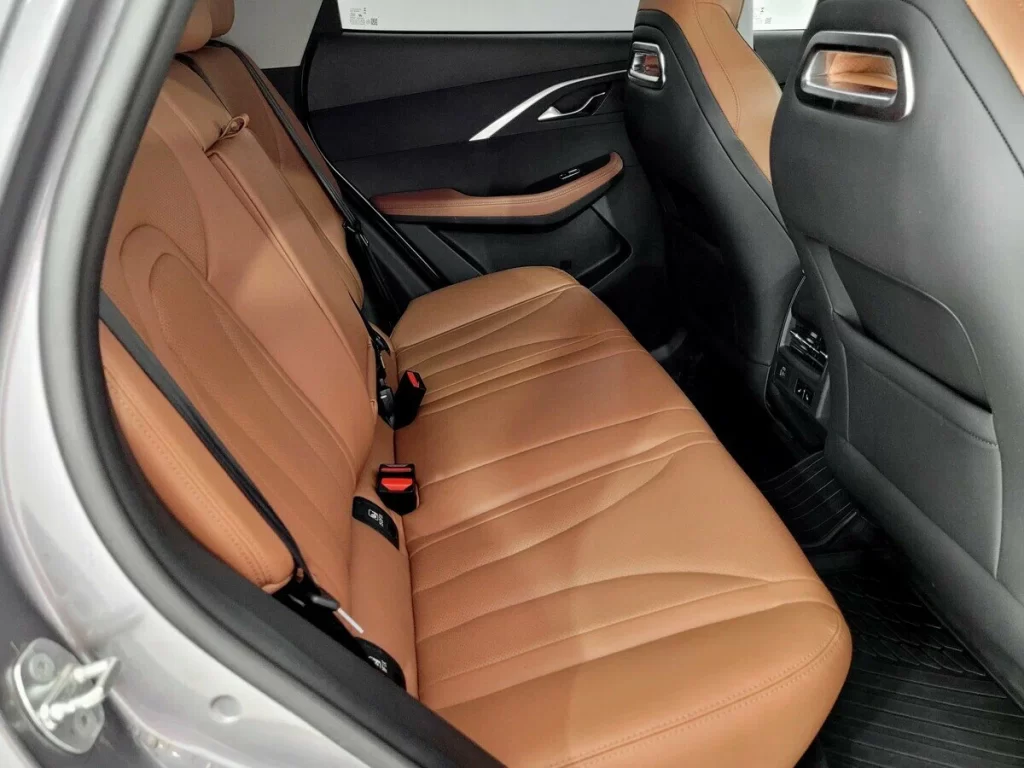
The C5 also captivates with its equipment. Depending on the version, you can get all-round cameras, heated seats, climate control, a dual-screen multimedia system, and other options that some competitors only offer in higher-end trims.
The main advantage is the price
On the used market, the C5 has already lost a significant amount of value. This is both an advantage for the buyer and a disadvantage for the first owner.
Today, a three-year-old C5 with 30,000–50,000 km on the clock can be found for approximately 1.6–1.9 million rubles. For example, current ads offer 1.5 CVTs with 32,000–40,000 km on the clock for 1.65–1.8 million rubles. All-wheel drive 1.6 DCTs cost around 1.7 million rubles and up.
This creates an interesting situation: the new C5 in 2026 is officially offered for around 2.28 million rubles, while a three-year-old car can be bought for several hundred thousand less.
Therefore, the C5 now looks much more attractive on the secondary market than as a new car.
What owners like
If you look at owner reviews, the C5 has quite a few strong points.
1. Appearance
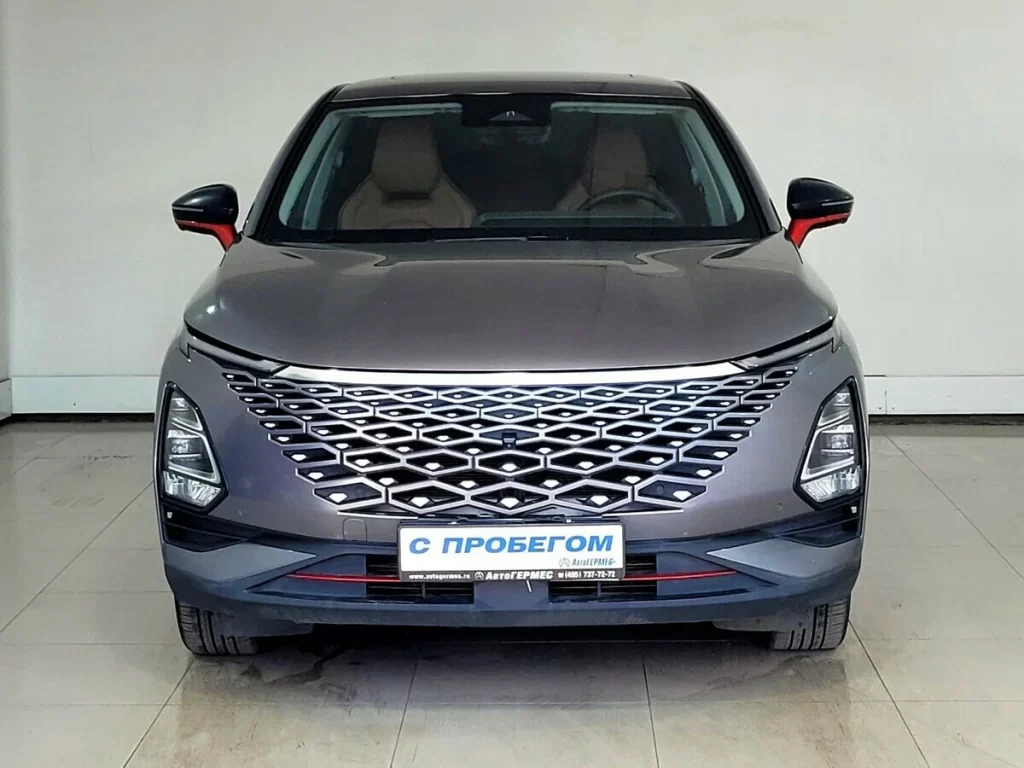
This is one of the car’s main advantages. The C5 looks noticeably more expensive than its price and still doesn’t feel like an outdated car.
2. Rich equipment
Owners often praise the cameras, heating, climate control system, multimedia and the overall level of equipment. In Drom reviews, the most frequently noted advantages are comfort, appearance, dynamics, power and high ground clearance.
3. Dynamics
The 147-horsepower 1.5 Turbo is quite suitable for the city and the highway. This is not a sports car, but the C5 does not make you wait constantly for the turbo engine to finally wake up.
4. Comfortable suspension
Owners generally rate the suspension positively. It does not turn the C5 into a sports crossover, but it copes well with Russian roads.
5. Some cars have decent reliability
And this is an important point. The Internet easily creates the impression that any Chinese car falls apart immediately after the warranty expires. With the C5, the situation is not so dramatic.
There are owners who drive tens of thousands of kilometers with almost only scheduled maintenance. There are reviews of three years of operation without serious breakdowns.

Therefore, declaring the entire model range “problematic” is wrong.
And now about the downsides
This is where you need to be much more careful when buying a used C5.
The CVT is the main checkpoint
Some owners have complaints about the CVT’s operation. We are talking about jolts when engaging D and R, jerks when starting off and stopping. In some cases, owners have taken their control units to dealers for a control unit reflash, but the problem persists.
There are also more serious cases: there are reviews of CVT replacements under warranty at relatively low mileages. In one review, the transmission was replaced at approximately 16,000 km, in another, at 23,000 km.
But it’s wrong to conclude that “every C5’s CVT will fail.” There are quite a few cars with 30,000–50,000 km on the clock and no serious problems.
Therefore, when buying a used car the condition of a specific example is more important than the model statistics 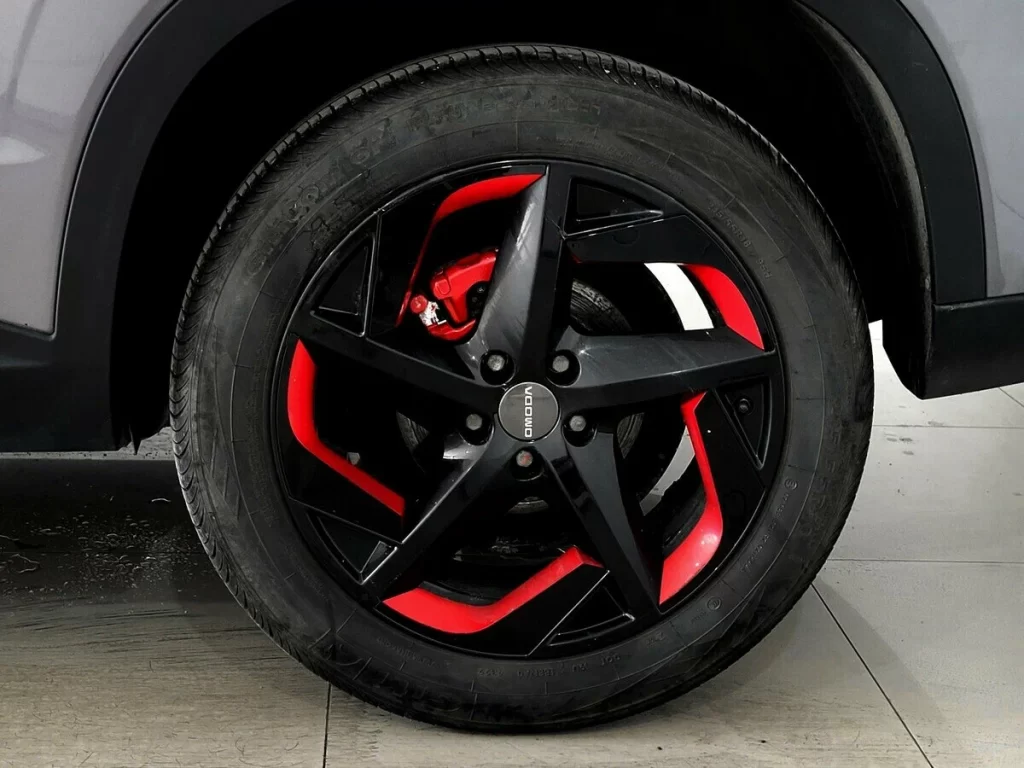 .
.
During a test drive, it is necessary to switch the PRD several times, check the driving when cold and after warming up, the smooth acceleration, the absence of vibrations and jerks. If the seller says: “It’s like this for everyone,” it is better not to argue, but to look for another car.
Electronics can also be capricious
Another group of complaints is electronic systems.
Reviews include multimedia failures, navigation problems, temporary disabling of all-round cameras, system reboots, and radar errors. Some owners have experienced errors in the driver assistance system’s radar at high speeds, after which the adaptive cruise control has been disabled.
Most of these malfunctions aren’t catastrophic. But they can be quite annoying.
It’s especially frustrating when the seller talks about “a single glitch,” but the diagnostics show a dozen stored errors across various electronic units.
Chassis
The situation here is ambiguous.
There are owners who drive for years without any serious problems. But there are complaints about the stabilizer struts, silent blocks, brake mechanisms and the car pulling to the side.
Some reviews even talk about multiple attempts to fix the problem with the wheel alignment.
Therefore, before purchasing a C5, it is advisable not to limit yourself to computer diagnostics. The car should be driven onto a lift and the suspension should be carefully checked.
The brakes require attention
There are reviews of fairly rapid wear of the pads and discs. One of the owners reported wear of the brake discs and pads already at about 20,000 km.
This does not mean that the kit will necessarily have to be replaced every 20,000 km. Driving style and operating conditions are of great importance. But the condition of the brakes must be checked when buying a car with a mileage of 40-60 thousand km.
What about spare parts?
The situation here in 2026 is noticeably better than several years ago.
The C5 is no longer exotic on the Russian market. Large sites offer a large number of cars, and the model itself is associated with Chery, so some positions in terms of design and power units are not unique to Omoda alone.
The main problem now is not so much the complete lack of parts, but the price of individual original components and the wait times for some body and electronic parts.
The situation with consumables and routine maintenance items is much simpler.
The official regulations provide for servicing every 10 thousand km or once a year. For example, at one of the official Moscow dealers, the basic maintenance for the restyled C5 1.5 costs about 19 thousand rubles, but more extensive maintenance can be significantly more expensive – about 48-58 thousand rubles.
Therefore, the C5 cannot be called a cheap car to maintain, especially if you service it exclusively at an official dealer.
At the same time, the car has another important advantage: the official Omoda program provides a basic warranty of 3 years or 100 thousand km, as well as additional technical support for up to five years subject to the service conditions.
For a 2023-2024 car, this can be a significant argument when buying.
What is the situation with liquidity
This is where the C5 loses out to better known Japanese, Korean and some European models.
You can sell the Omoda C5. But whether it’s fast or expensive is another matter entirely.
The main problem is high competition. There are many identical C5s on the market, and dealers and car dealerships are constantly offering used cars. On Drom alone there are now over a thousand ads for used C5s.
This means a simple thing: the buyer can choose.
If you list a car for 200 thousand rubles more than similar offers, the potential buyer will simply move on to the next ad.
Cars that sell especially poorly are:
- with high mileage;
- after serious accidents;
- with a problematic CVT;
- with numerous electronic errors;
- with no history service;
- after a taxi or intensive commercial use;
- in an unsuccessful color and with poor equipment.
But a well-maintained C5 with low mileage, a clear history and good equipment is quite possible to sell.
In terms of liquidity, I would rate the C5 as an average option. This is not a car that the buyer will snatch out of his hands, but it can no longer be called illiquid.
Which C5 is better to buy
If the goal is to get the most trouble-free option for normal city use, I would look first of all at 1.5 Turbo + CVT + front-wheel drive.
The reason is simple: there are a lot of such cars, the design is relatively clear, and all-wheel drive and a robotic transmission add to the cost of potential repairs.
The 1.6 Turbo + DCT + AWD version is more interesting in terms of dynamics and capabilities on bad roads. But when buying a used car, it requires more thorough diagnostics.
You need to especially carefully check the operation of the robotic transmission and the condition of the clutches.
What mileage is considered optimal
The most interesting option is approximately 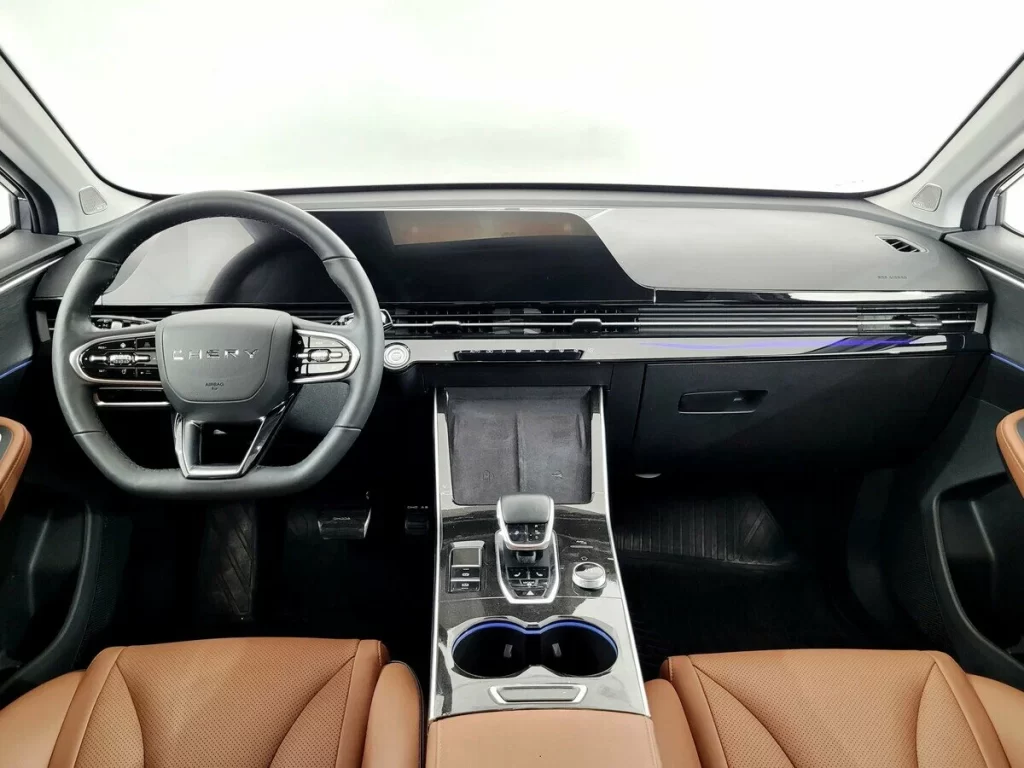 20-50 thousand km
On the one hand, the car has already become much cheaper compared to new. On the other hand, with that kind of mileage, you can still find a car without serious wear.
I’d be more cautious about cars with 70,000-80,000 km on the clock. That doesn’t mean they’re bad. It’s just that the potential costs increase, and when selling such a car later, it will be more difficult to attract a buyer.
A very cheap C5 with 100,000 km on the clock is exactly the case when savings on the purchase can quickly turn into repair costs.
What to check before buying
Before buying a used Omoda C5, I would definitely do the following:
 Checked the brakes, struts, silent blocks and hub Bearings.
And it’s also worth checking separately whether the car has had any warranty claims for the gearbox. If the CVT has already been officially replaced and the car has covered a significant mileage since then without any problems, this is not necessarily a minus. In some cases, such a specimen is even more interesting than a car whose gearbox has never been diagnosed.
So, is it worth buying a used Omoda C5?
Yes, but only at the right price and after a thorough diagnosis.
Today, the C5 is interesting precisely on the secondary market. For about 1.6-1.9 million rubles, you can get a relatively new crossover with a turbo engine, good dynamics, a modern interior, and rich equipment. Against the background of new cars for 2+ million rubles, the offer looks tempting.
But you shouldn’t buy a C5 based on the principle “Chinese crossover, but cheap.” The main risks are the CVT, electronics, individual suspension components, and the cost of original repairs.
The main advice is not to look for the cheapest C5. You need to look for the most transparent one.
It’s better to overpay 100-150 thousand rubles for a car with a clear history, low mileage, confirmed maintenance, and a working transmission than to buy a cheap example and then discover that the previous owner set the price below market for a reason.
Final assessment
⭐⭐⭐⭐
⭐⭐⭐⭐
⭐⭐⭐
⭐ ⭐⭐⭐
⭐⭐⭐
Availability spare parts
⭐⭐⭐½
⭐⭐⭐
Verdict: A used Omoda C5 is a perfectly reasonable purchase if you can find a working example at a market price. This is not the case when you should automatically avoid a Chinese car on the secondary market. But you also shouldn’t buy it without diagnostics: a beautiful body and rich equipment can easily disguise problems with the transmission or electronics. Previously, experts from the Ufocar.ru portal explained why it’s best to avoid buying a used Haval Jolion crossover.