New models regularly appear on the Russian car market, but not every one causes as much discussion as the domestic electric crossover UMO 5.
It has already been nicknamed “Umka” – and this name really suits it: friendly design, huge interior and fully electric powertrain make the new product noticeable even against the background of more expensive competitors.
Where did the UMO 5 come from
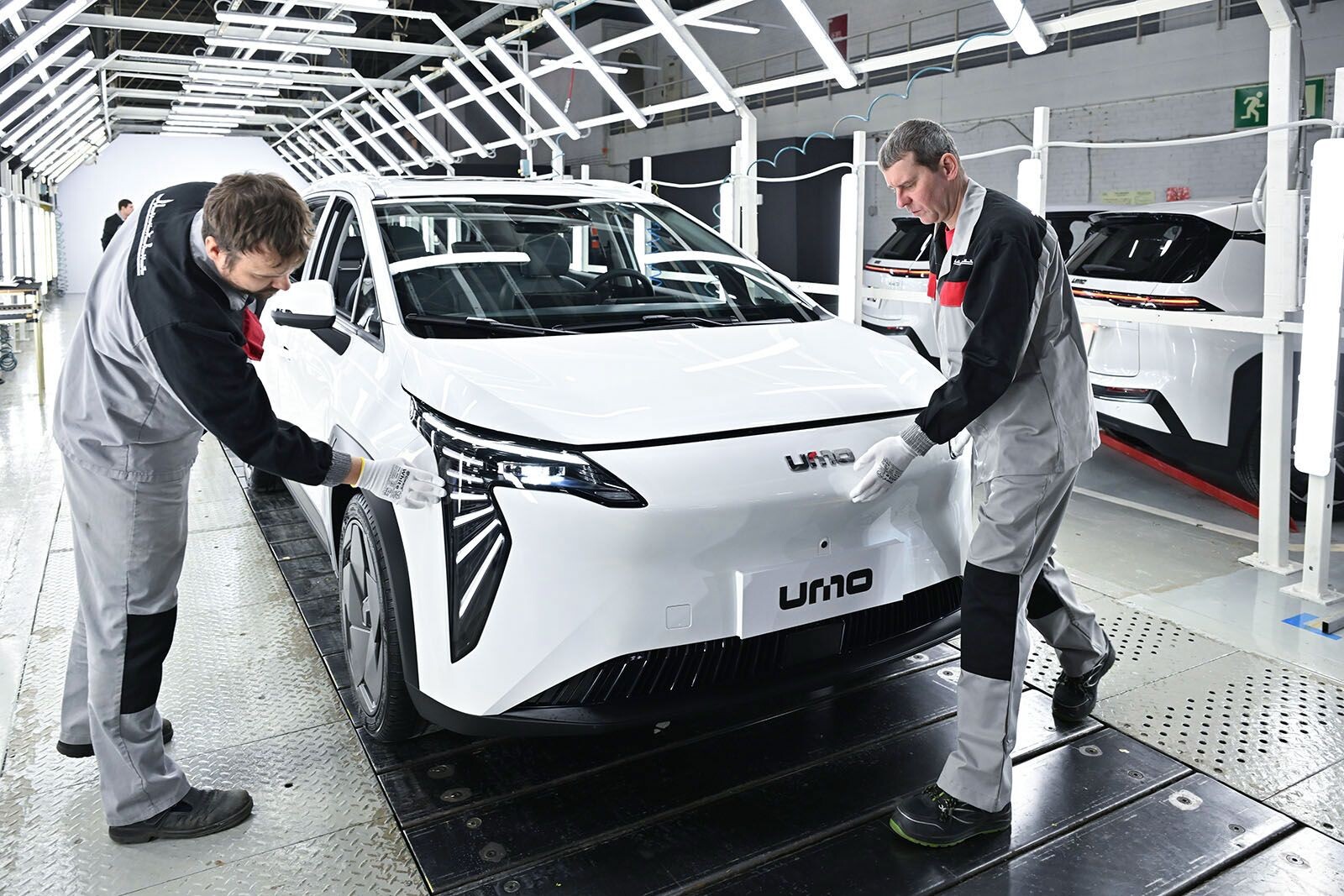
The UMO brand appeared in 2026. The company “EM Rus” is responsible for the project, and assembly is organized at the Moskvich plant. Yandex also plays an important role – that’s why the car received not just a multimedia system, but a full-fledged digital ecosystem with familiar services.
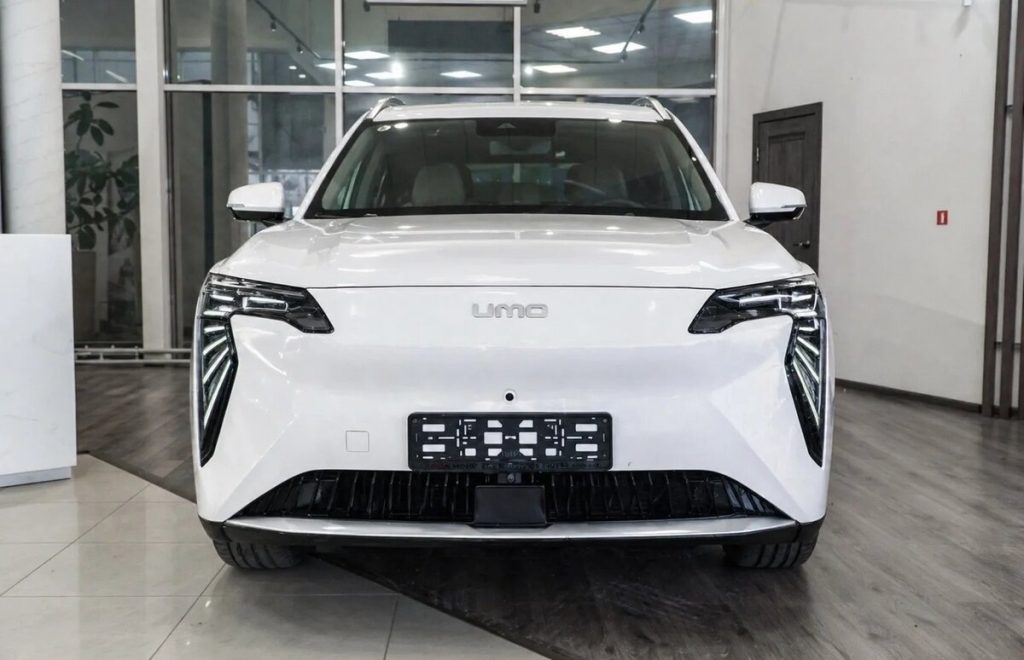
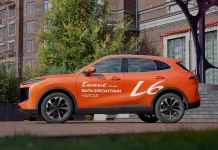
UMO 5 can already be found in Moscow – most often in taxis and car sharing.
Crossover or compact van?
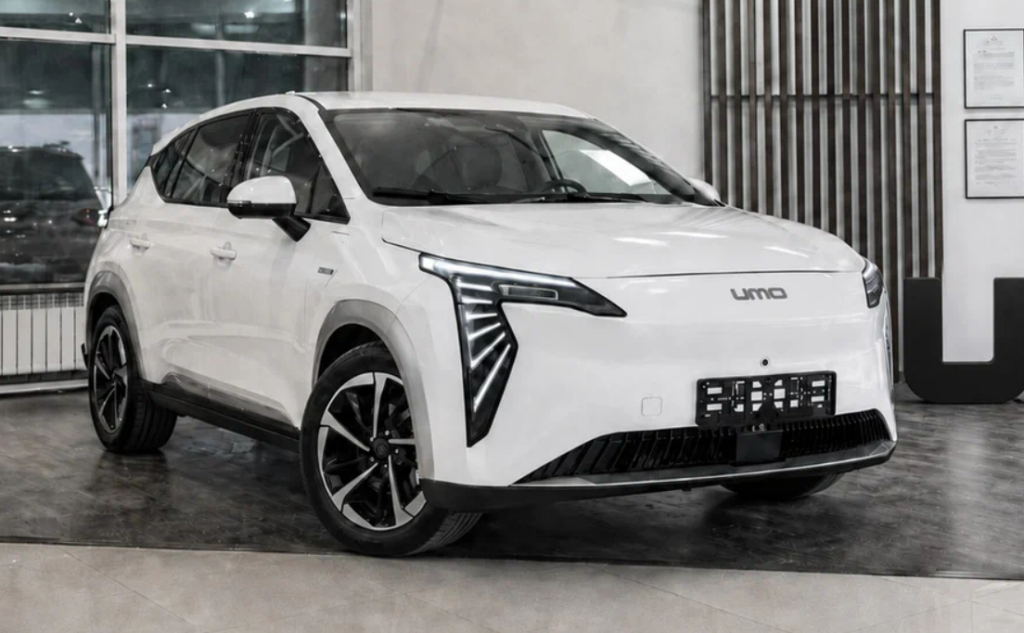
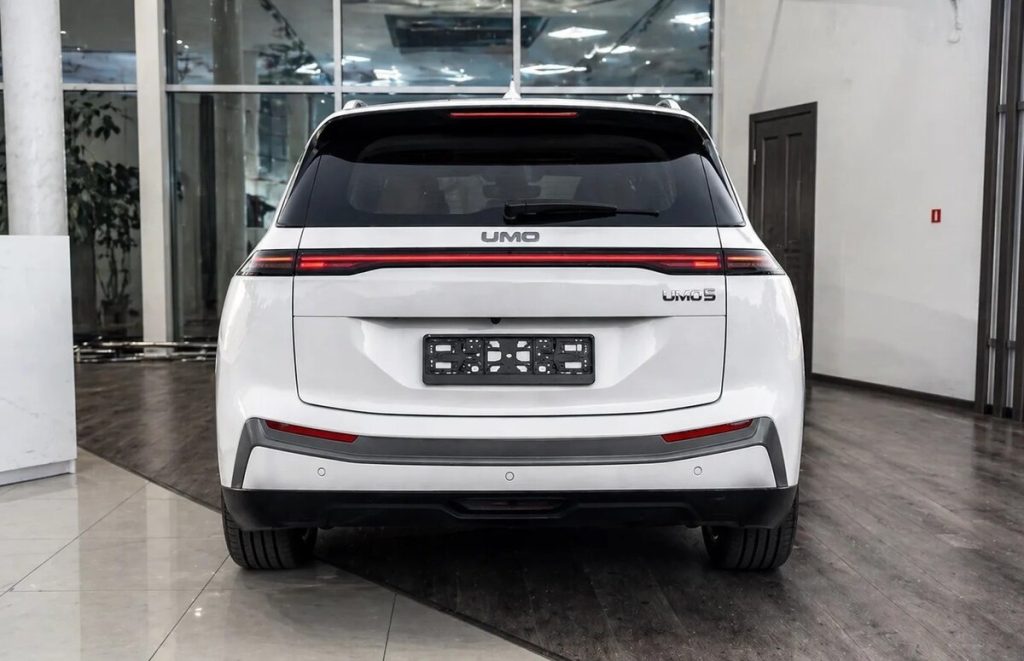
Formally, UMO 5 belongs to the crossover class: it has a plastic body kit, increased ground clearance and a high landing.
But in fact, it is closer to a compact van:
- high roof
- almost a single-volume body
- maximum emphasis on interior space
Design and dimensions
Externally, the model resembles the Chinese Aion Y Plus – and this is not accidental, since it became the basis for the Russian version.
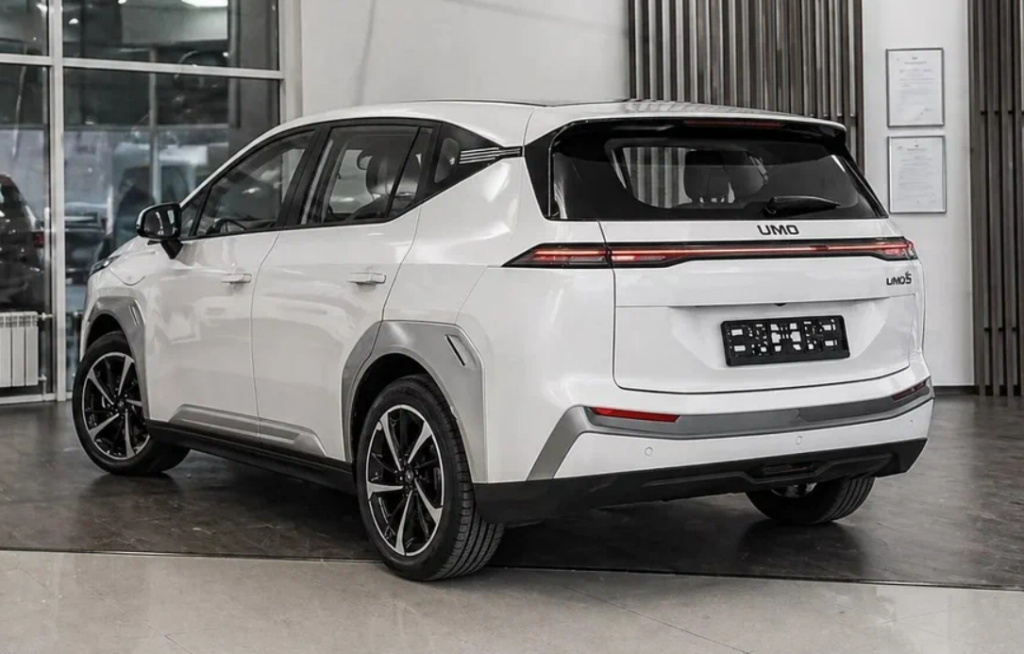
Dimensions:
- length: 4535 mm
- width: 1870 mm
- height: 1650 mm
- wheelbase: 2750 mm
It is the long wheelbase that provides the key advantage – a very spacious interior.
Interior: the model’s trump card
UMO 5 surprises with its space:
- rear doors open almost 90°
- huge legroom
- high ceiling
Even tall passengers can comfortably sit “behind themselves”. The space feels comparable to business class in some models.
Additionally:
- flat floor in the back
- heated seats
- air deflectors
- armrest
- almost no physical buttons
- all control via screen
- digital instrument panel
- wireless charging
- two cup holders
- Navigator
- Music
- Video
- open the trunk
- control the windows
- change the climate
- adjust the sunroof
- heated seats (front and rear)
- heated steering wheel
- heated windshield
- heated injectors
- 405 liters in normal mode
- up to 1200 liters with folded row
- length of cargo compartment – up to 2.2 m
- power: 204 hp
- drive: front
- 0–100 km/h: ~8.5 sec
- max. speed: 160 km/h
- economical
- comfort
- sport
- i-Pedal (almost one-pedal control)
- front – McPherson
- rear – beam
- 63.2 kW h (LiFePO₄)
- 420–430 km in summer
- less in winter (depending on conditions)
- 20–80% in about 30 minutes
- power up to ~90 kW
- increasing localization
- development of production in Russia
- work on a domestic battery in collaboration with Renera (a structure of Rosatom)
- 4 years or 150,000 km
- battery: 5 years or 400,000 km
Interior and multimedia
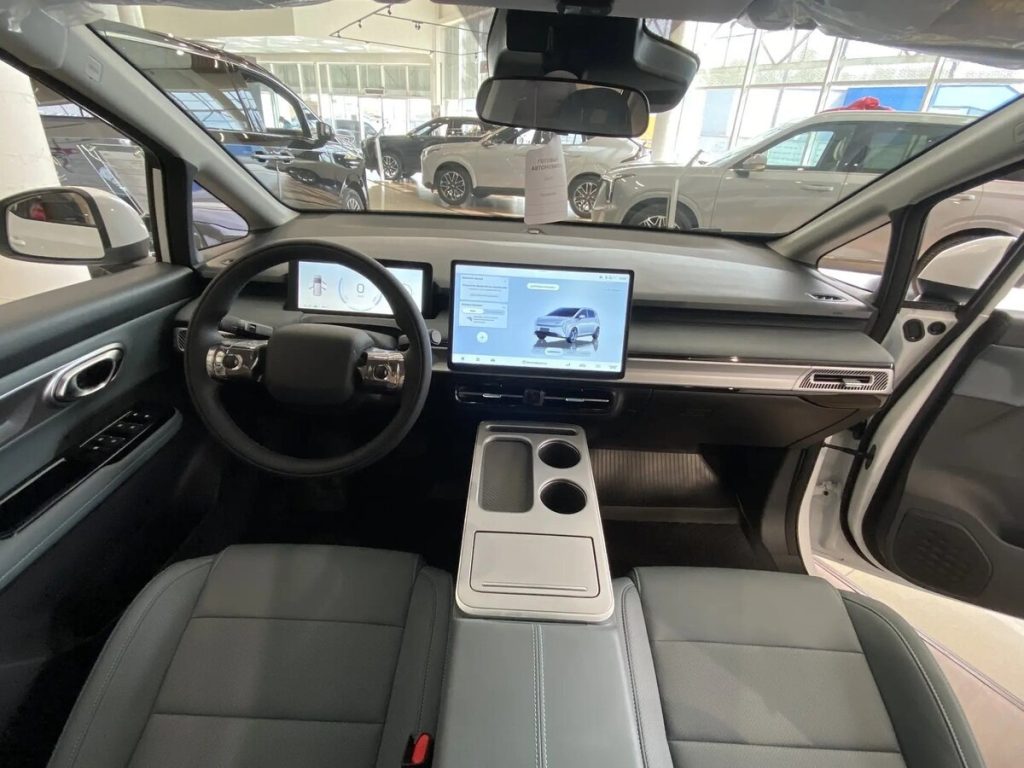
The interior is designed in the minimalist style of electric cars:
The central display is 14.6 inches, through it you can control the climate, multimedia and car settings.
Also there is:
Yandex ecosystem and Alice
The main feature of the car is the deep integration of Yandex services:
But the key element is the voice assistant Alice.
With its help, you can:
Some functions work even without the Internet – a rarity for modern cars.
Winter In Russia: everything is taken into account
UMO 5 received an extended winter package:
There is also an additional battery heating system, which helps maintain the range in cold weather.
Trunk
This makes the car convenient not only for the city, but also for trips.
Technology and dynamics
There are driving modes:
Suspension and comfort
The design is simple:
But according to the settings, the car turned out to be soft and comfortable, especially for urban conditions. Good noise insulation is especially noted.
Range and charging
Battery:
Range:
Charging:
Production and localization
The project is planned to be developed further:
Price and market
Starting price – about 2.5 million rubles, taking into account state support.
Warranty:
As of 2026, the model is already actively used in taxis and car sharing, and the fleet exceeds 240 cars.
Results
UMO 5 is one of the most unusual new electric cars on the Russian market: not so much about drive, but about space, technology and a digital ecosystem.
It is already occupying its niche – and, judging by the rate of distribution, it is doing it quite confidently.