
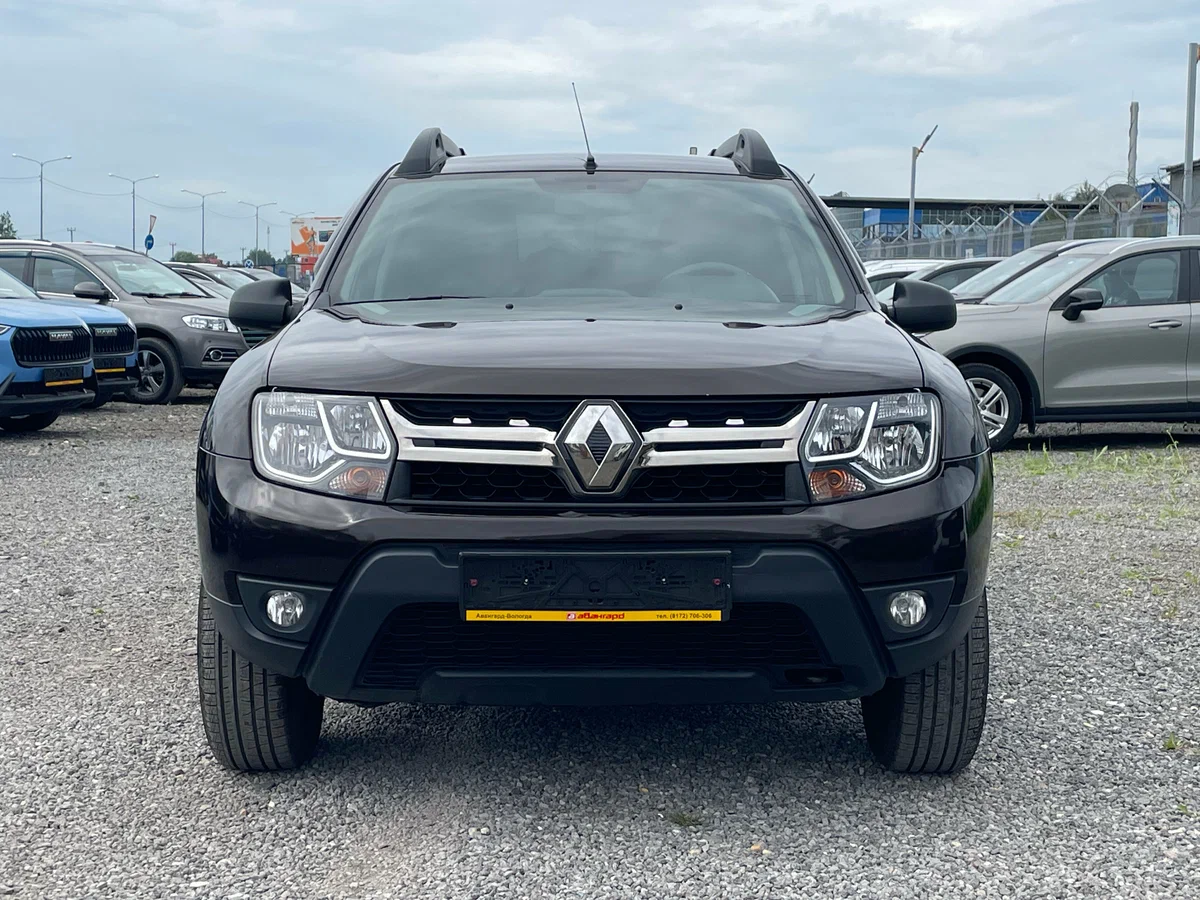
The used Renault Duster crossover has remained one of the most popular options on the Russian market for many years. It’s often recommended as an “indestructible” vehicle for the dacha, fishing, and rough roads. But is it really that good, especially when it comes to buying used? Let’s take a calm, no-fuss look at the matter, without marketing myths.
Why has the Renault Duster become so popular?
The Renault Duster was originally designed as a simple, utilitarian crossover. Its main idea is an affordable all-wheel drive and high maintainability.
In Russia, it “shot” for several reasons:
- a relatively low price compared to competitors;
- a simple design without complex electronics;
- energy-intensive suspension, adapted to bad roads;
- the presence of a version with all-wheel drive;
- cheap maintenance and affordable spare parts.
Against the background of more “urban” crossovers, Duster looked almost like an SUV at the price of a passenger car.
Advantages of a used Duster
To be honest, Duster has its strengths that remain even after several years of operation.
1. Reliable technology
Most of Duster’s engines and gearboxes are quite durable. The 1.6 and 2.0 naturally aspirated gasoline engines have proven themselves especially well. They do not require expensive maintenance and easily cover high mileage with normal care.
2. Ease of repair
The car is designed without unnecessary complexity. Many operations can be done at a regular service center or even on your own. This greatly reduces the cost of ownership.
3. Good suspension for Russia
Duster really copes well with potholes, dirt roads and broken roads. For the regions, this is still a weighty argument.
4. All-wheel drive (in some versions)
The all-wheel drive system is simple and not overloaded with electronics, which makes it relatively reliable in mud and snow conditions.
Cons that are often overlooked
There are no perfect cars, and a used Duster has its weak points.
1. Budget-level interior
The interior is the main compromise. Hard plastic, poor sound insulation and outdated ergonomics quickly make themselves felt during daily use.
2. Comfort on the highway
At speed, the car becomes noisy, and handling is mediocre. This is not a crossover for long comfortable trips.
3. Corrosion
Although the body is generally strong, older examples may have problems with rust, especially in places of chips, sills and arches.
4. Condition on the secondary market varies greatly
Duster was often bought “for everything”: construction, dacha, hunting. Therefore, the mileage is rolled back, and the cars were often operated in difficult conditions.
Which engines and versions are better to choose
On the secondary market, three options are most often found:
- 1.6 gasoline is the simplest and most economical, but not the most dynamic;
- 2.0 gasoline is a more versatile option, better for the highway and all-wheel drive;
- 1.5 diesel is economical, but requires careful maintenance and high-quality fuel.
If the goal is reliability and minimum risks, 2.0 gasoline with a manual transmission is most often recommended.
What to look for when buying used Duster
Here are the key points that are really important:
1. All-wheel drive
Check the operation of the clutch and rear axle. Repairs can be expensive.
2. Suspension
Although it is strong, with poor operation the shock absorbers, silent blocks and ball joints can quickly get tired.
Pay special attention to the underbody, sills and rear arches.
4. Operation history
Duster was often used in taxis, corporate parks or at construction sites – this is important to take into account.
5. Engine condition
Pay attention to oil consumption, noise and signs of overheating.
How much does it cost to own
One of the main advantages of Duster is its relatively cheap maintenance:
- spare parts are available and inexpensive;
- repairs do not require specialized equipment;
- fuel consumption is moderate (on average 7-10 liters, depending on the version and driving style).
However, cheap maintenance only works if you bought a “live” copy. A broken-down car can easily turn into a constant source of expenses.
Is it worth buying a used Renault Duster
In short: yes, but not for everyone.
Suitable if:
- you need an inexpensive and simple crossover;
- cross-country ability and suspension are important;
- you are ready to put up with simple comfort;
- planned to use outside the city.
Not suitable if:
The Bottom Line
A used Renault Duster isn’t about comfort or technology. It’s about practicality, durability, and low cost of ownership. It honestly fulfills its task: to take you where many passenger cars simply cannot go.
But the key point is the condition of the specific example. A good Duster can serve for years without serious problems, but a “tired” one will turn into an endless repair project.
If you choose with a cool head and thorough diagnostics, this is still one of the most rational crossovers on the secondary market in Russia.