

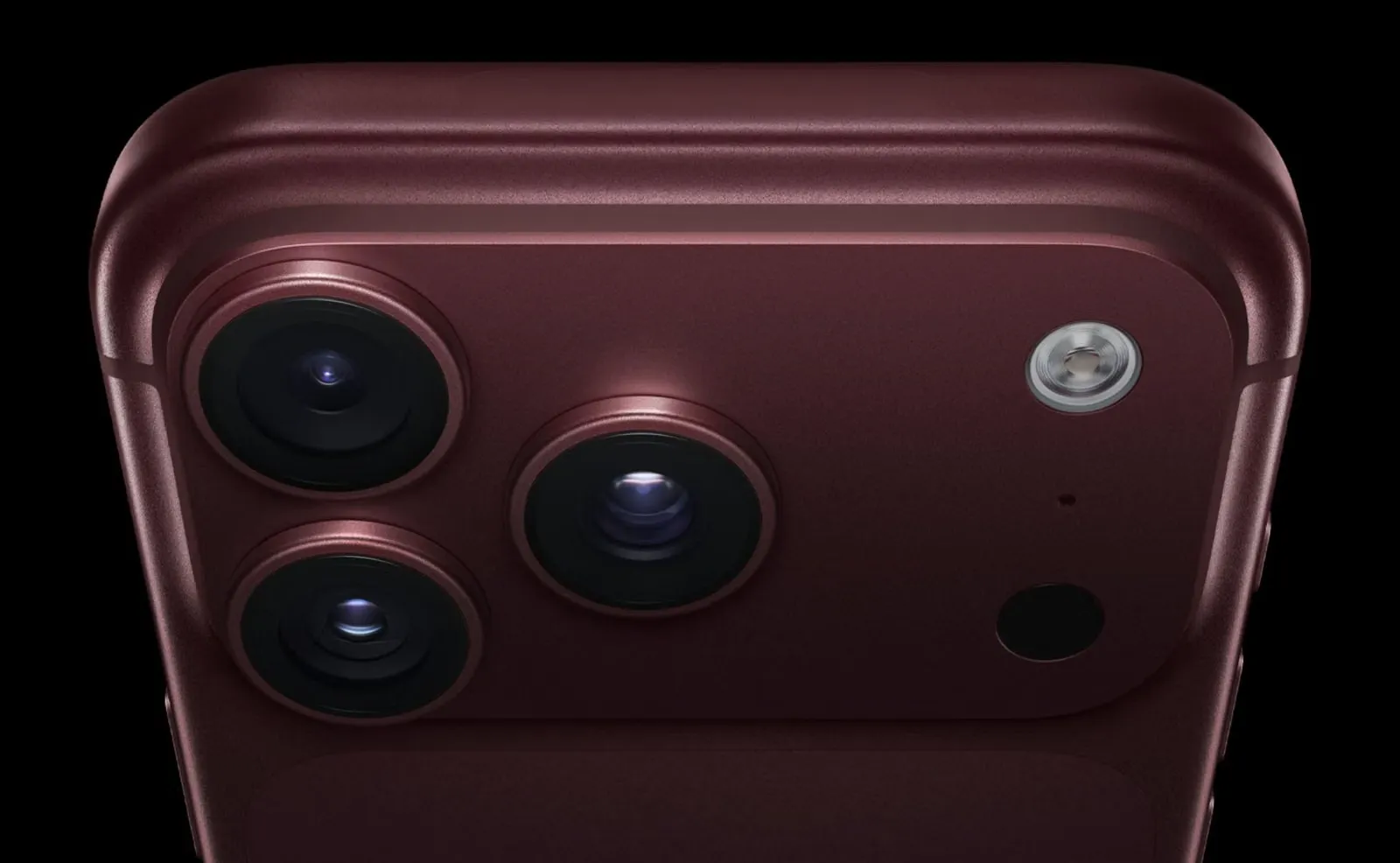
In the iPhone 18 Pro Max, Apple implemented an unusual software solution directly related to the increased battery capacity. iOS 27 introduced the Prepare to Ship feature, which automatically reduces the battery charge before transporting the smartphone. The reason is not to save energy or protect the battery, but to comply with the requirements for transporting devices with capacious lithium batteries.
Why does the iPhone 18 Pro Max need to be discharged before transporting
The main feature of the new iPhone 18 Pro Max is a battery with a capacity of more than 20 Wh. For lithium-ion batteries of this class, additional requirements may apply during transportation, in particular for air transport and international logistics.
That is why Apple decided to take into account the restrictions at the software level. Before the first activation, the smartphone does not actually use the full available battery capacity: the system keeps it below 20 Wh.
For the average buyer, this is practically unnoticeable. After the iPhone is activated, the restriction is removed, and the device has access to the full battery capacity.
This solution shows that increasing the battery affects not only the autonomy of the smartphone. The larger the battery, the more attention must be paid to its storage, transportation, certification, and servicing.
What happens when you enable Prepare to Ship
The problem arises not only when sending a new smartphone from the factory. The user may need to transport an already activated iPhone – for example, during repairs, return to the seller, sale, trade-in, or transfer of the device to another region.
For this, Apple added a special mode Prepare to Ship .
After it is launched, the iPhone 18 Pro Max automatically begins to discharge the battery. The system’s goal is to reduce the available energy to a level below 20 Wh. After this, the smartphone temporarily limits the ability to recharge above the set threshold.
In other words, the user can prepare a previously used device for transportation without having to manually calculate the charge level.
How long does discharging take?
The duration of the procedure depends on how fully charged the smartphone is when the function is launched.
If the battery is almost discharged, preparation will take relatively little time. At a high charge level, the process can take several hours.
Apple separately warns that the iPhone 18 Pro Max case may become warmer than usual during automatic discharging. This is because the battery power in this case is not spent on the standard operation of the device, but as part of a special preparation procedure for transportation.
However, if the data has not yet been deleted, you can continue to use the smartphone.
After the process is complete, the system will display the message Ready to Ship . This means that the device has reached the required charge level and activated the corresponding restriction.
What happens if you erase the data first
There is an important practical nuance here.
If an iPhone is being prepared for sale or return, the user usually first deletes personal data and resets the device. After this, you can no longer use the smartphone while the automatic discharge is taking place.
Therefore, the sequence of actions is important. If the data is still on the device, you can start preparing for shipment and continue using the iPhone until the procedure is complete. If the device has already been completely reset, all that remains is to wait for the automatic discharge to complete.
Where is the new iOS 27 function
You can launch Prepare to Ship directly on the iPhone 18 Pro Max:
Settings → General → Transfer or reset iPhone → Prepare to ship.
After the procedure is complete, the smartphone indicates that it is ready for transportation.
It is important to note that this is not an additional power saving mode and not a function intended for everyday use. It was created specifically for cases when the iPhone needs to be safely prepared for transportation.
A large battery is not only an advantage
An increase in battery is traditionally perceived as an obvious plus for a smartphone. A higher capacity potentially increases battery life, especially with active use of the camera, mobile internet, games, and other power-hungry functions.
However, a larger battery has a downside. Its characteristics begin to affect not only battery life, but also the logistics of the device.
This is especially relevant for Apple, since iPhones are sold all over the world and move between production sites, warehouses, stores, service centers, and end customers. Therefore, a software feature that automatically brings the battery to a state suitable for transportation may be much more practical than it seems at first glance.
In fact, Apple has transferred some of the logistical requirements directly to the operating system. The user does not have to independently determine whether the battery is sufficiently discharged before shipping.
What does this mean for iPhone 18 Pro Max owners
For most owners, the new feature will remain virtually unnoticed. During normal smartphone use, there’s no need to run Prepare to Ship.
It becomes relevant in three main scenarios: repair, return, or sale of the device. This feature can be especially useful for those who ship their smartphone themselves via courier service or mail.
However, the feature itself doesn’t increase battery life or speed up charging. Its introduction is rather a consequence of Apple’s transition to a more capacious battery.
What’s also interesting is that this software limitation demonstrates how closely the characteristics of a modern smartphone are tied to requirements that the user usually doesn’t even notice. Increasing battery capacity provides additional operating time, but at the same time forces the manufacturer to take into account the rules for handling lithium batteries at all stages of the device’s life cycle – from production at the factory to repair and resale.
Views: 244