
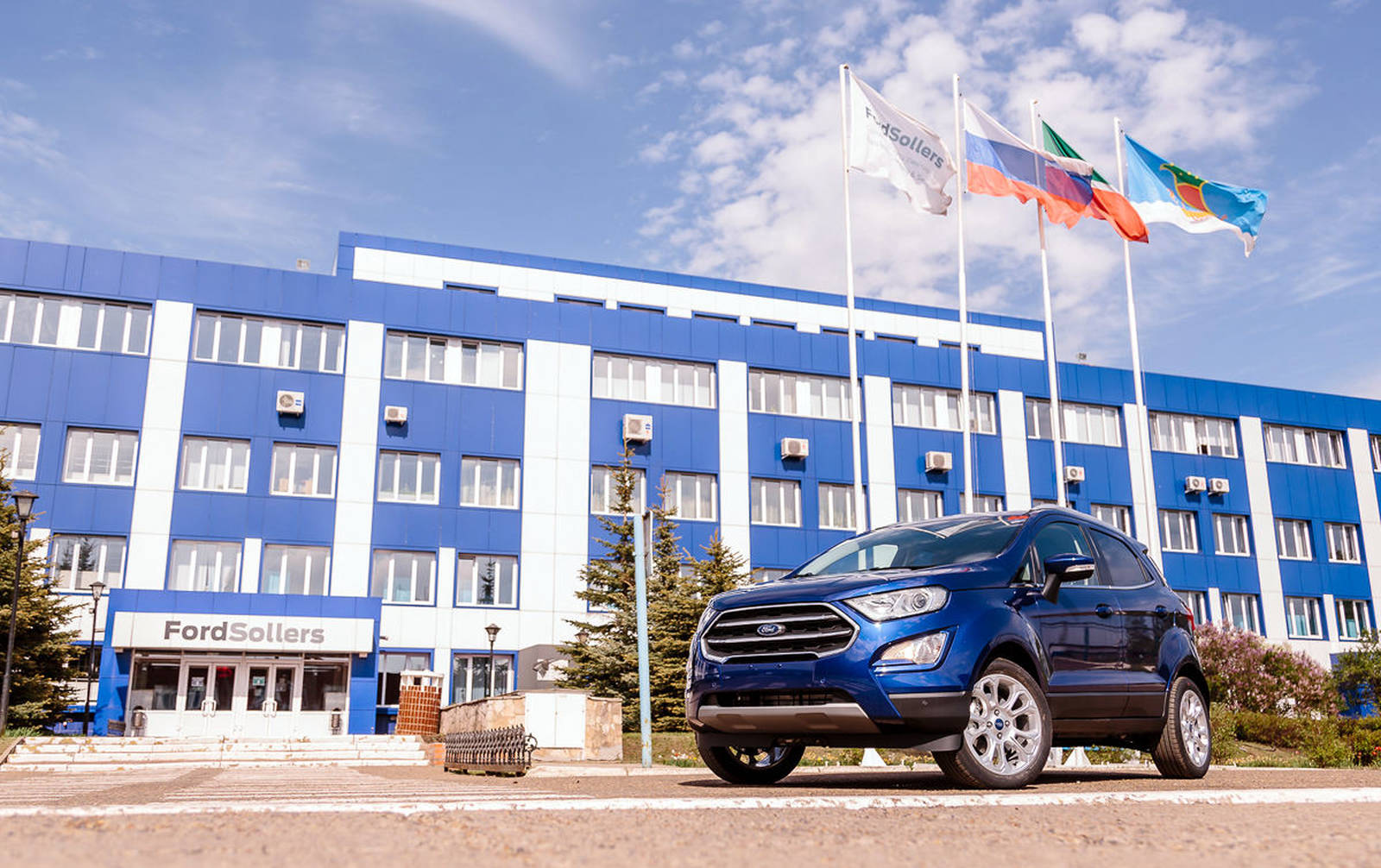
Over the past few years, the Russian auto industry has demonstrated that a defunct factory isn’t necessarily doomed to demise. Following the departure of foreign companies, a number of production sites have been revived: in some places, car assembly has resumed, while others have launched production of entirely different vehicles.
But there’s a flip side to this story.
There remain factories in Russia that were shut down long before 2022 and have since been unable to return to full-scale passenger car production. Moreover, some of them once produced tens of thousands of cars per year, had welding and painting facilities, a ready-made infrastructure and experience working with large automakers.
Why is it that some factories manage to restart in a few years, while others remain without automobile production for decades?
Let’s look at five illustrative examples.
Sollers – Naberezhnye Chelny: the former Oka and Ford plant
The history of this site began back in 1987, when the ZMA Small Car Plant opened in Naberezhnye Chelny. It was here that the famous Oka was produced. Later, the company switched to producing foreign cars.
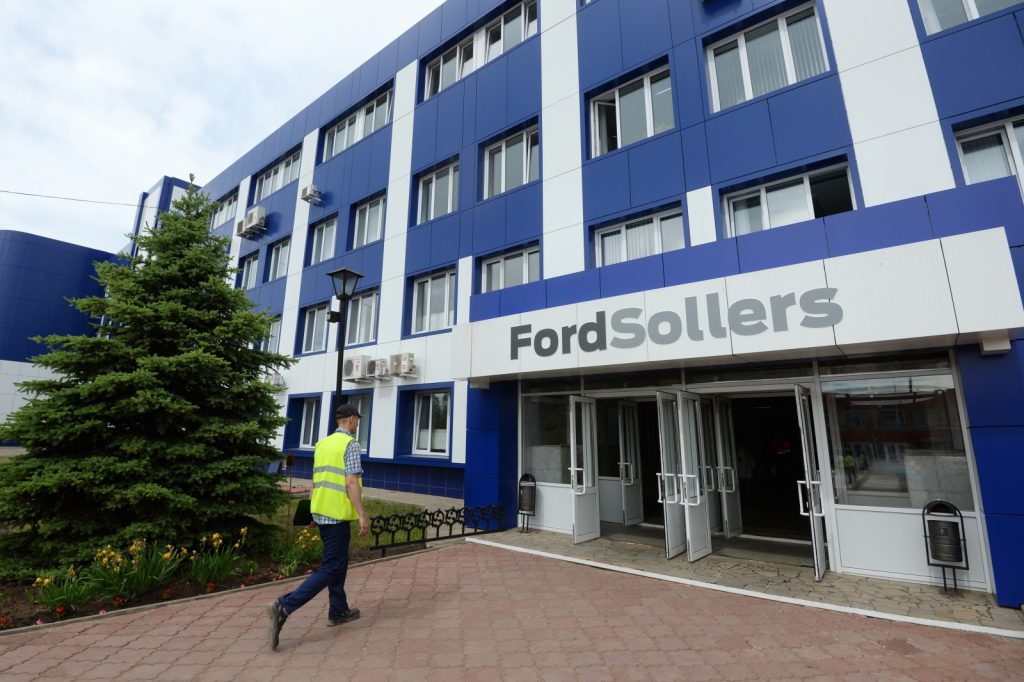
The plant assembled the SsangYong Rexton, Fiat Albea, Fiat Palio, and Fiat Doblò, and then the site became part of the Ford Sollers joint venture. By 2019, the Ford Fiesta and Ford EcoSport were produced there. The project had significant production capabilities: the plant’s stated capacity was approximately 110,000 cars per year.
But it was 2019 that proved to be a turning point.
Ford announced the end of passenger car production in Russia. The joint venture decided to focus on commercial vehicles, and production of Ford passenger cars in Naberezhnye Chelny was discontinued. Transit production was moved to a site in Yelabuga.
Since then, the former ZMA has not received a comparable automobile project.
The site’s appeal lies in the fact that it isn’t a typical abandoned factory. It’s located within the KAMAZ industrial complex and is owned by Sollers. Therefore, it has a fundamental difference from many other plants on our list: the site has an industrial history, an owner, and potential infrastructure.
However, the presence of workshops alone doesn’t automatically mean the production line will be up and running. A modern car requires component suppliers, a stable order volume, investment in tooling, localization, and a clear project economics.
That is why the former Ford plant remains an interesting example of how even a relatively modern production site can drop out of the passenger car industry for a long time.
Stavropol-Auto: a huge plant that operated for about a year
An even more illustrative story happened in the Stavropol Territory.
The plant in Mikhailovsk was built with the expectation of producing up to 100,000 cars per year. Production launched in 2017, but the enterprise actually had a very short lifespan.
The site assembled DW Hower H3 and H5 frame SUVs – cars based on the Great Wall Hover models. During its operation, it was possible to assemble approximately 2.4-2.5 thousand vehicle kits. After the project’s funding ceased, production ceased.
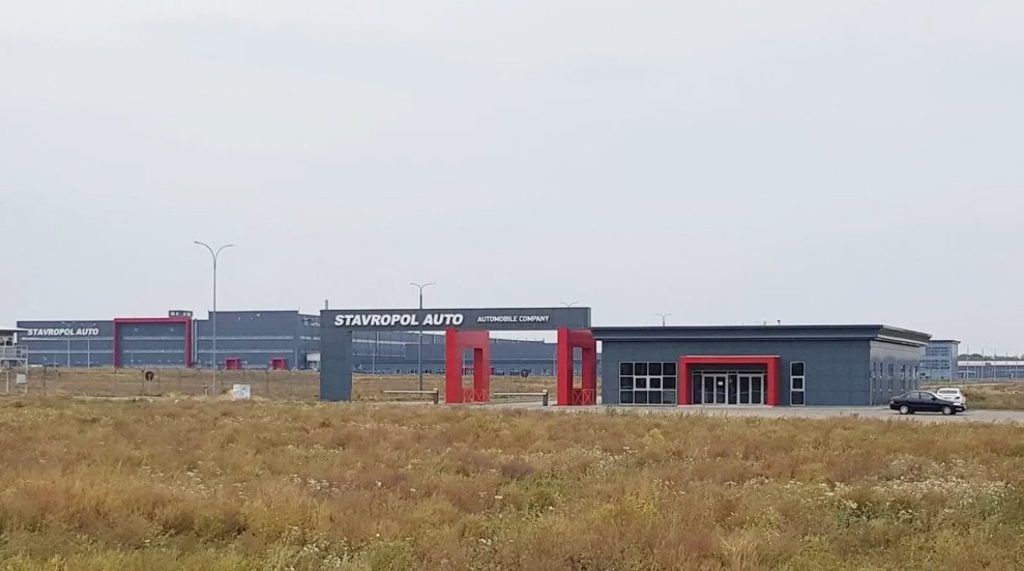
The main problem wasn’t even the lack of a plant itself. The site was built, the equipment was available, and automotive production existed.
What was missing was a sustainable business model.
In 2019, the Ministry of Informatization filed a lawsuit demanding that the enterprise be declared bankrupt. The debt was estimated at approximately 6.8–6.9 billion rubles. In 2020, the plant was officially declared bankrupt.
However, the story continued only in the financial sense. In June 2025, the site was sold at auction for 2.25 billion rubles to a private investor, Vladimir Arustamov.
That is, the plant actually got a new owner, but this does not yet mean the return of automobile production.
And here the main problem of such facilities is clearly visible: it is much easier to buy a plant than to load its conveyor.
You need a partner, a model range, suppliers, money for components and working capital. If the enterprise is idle for a long time, its initial infrastructure gradually loses value, and the equipment requires maintenance or modernization.
Derways: from the Russian Cowboy to dozens of Chinese models
Circassian Derways was once one of the most prominent independent automakers in Russia.
The plant started with its own Derways Cowboy SUV, and then effectively turned into a large site for the assembly of Chinese cars. Over the years, Geely, Lifan, Chery, Great Wall, Haima, Brilliance, JAC, Hawtai, and other models have been produced here.
After the addition of welding and painting facilities, the plant was able to operate as more than just a large-unit assembly facility. In 2013, its capacity was estimated at approximately 130,000 vehicles per year.
But in 2018, production stopped.
What followed was no longer a story of a restart, but a story of bankruptcy. In 2020, Derways was officially declared insolvent. Billions of rubles in creditor claims were included in the register of creditors.
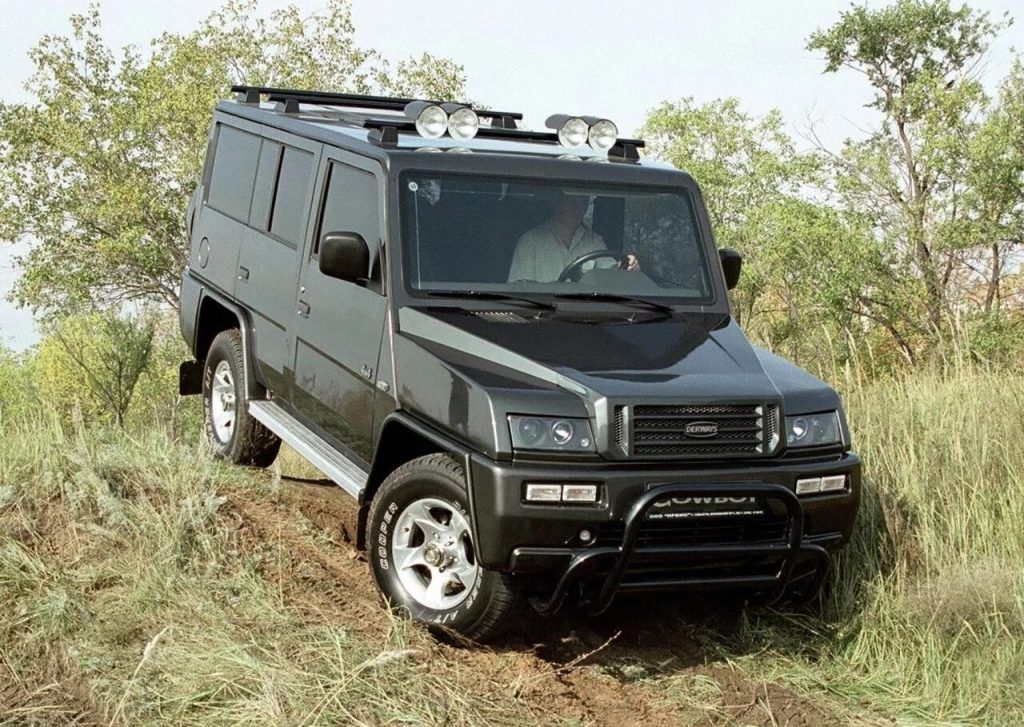
Furthermore, the plant’s problems cannot be reduced solely to the decline of the Russian auto market. The situation was compounded by financial problems and claims from tax authorities.
In 2026, the plant’s history was still far from returning to the automotive industry: in particular, a 44% stake in AK DerWays LLC was put up for auction.
This is a prime example of how difficult it is to restore a company after bankruptcy.
If the plant belongs to an operating automaker, it can be integrated into the existing supply chain. If the owner goes bankrupt, the company primarily turns into a complex property complex that still needs to be assembled into a single functioning business.
RosLada: a plant that lost its main supplier
Syzran’s RosLada is a special case.
The company had been operating since 1998 and specialized in assembling Lada cars from AvtoVAZ kits. In its heyday, tens of thousands of cars were produced here, and the design capacity was estimated at approximately 50,000 cars per year.

But after a change in relations between AvtoVAZ and the SOK Group, the supply of vehicle kits ceased. Passenger car production ceased, and the plant was effectively left without its main product.
Later, an attempt was made to load the site with Chinese Jinbei trucks. In 2014, they even assembled a pilot batch here, and plans called for a gradual increase in production to several thousand, and then to 20 thousand cars per year.
But the project did not become widespread.
By 2020, production was finally curtailed, and the equipment was dismantled.
It is RosLada that clearly demonstrates that a plant can be technically suitable for assembling cars, but at the same time make no economic sense without a stable customer.
In fact, the enterprise turned out to be dependent on supplies from one large manufacturer. When this connection disappeared, it was not possible to replace it with a new project.
TagAZ: the automotive history is over, but the plant has received a new life
The Taganrog Automobile Plant is the most interesting example on this list, because calling it simply a “dead” enterprise is no longer correct.
TagAZ operated from 1997 to 2014 and during this time managed to become one of the most famous private automakers in the country. The plant produced Hyundai, as well as cars of other brands.
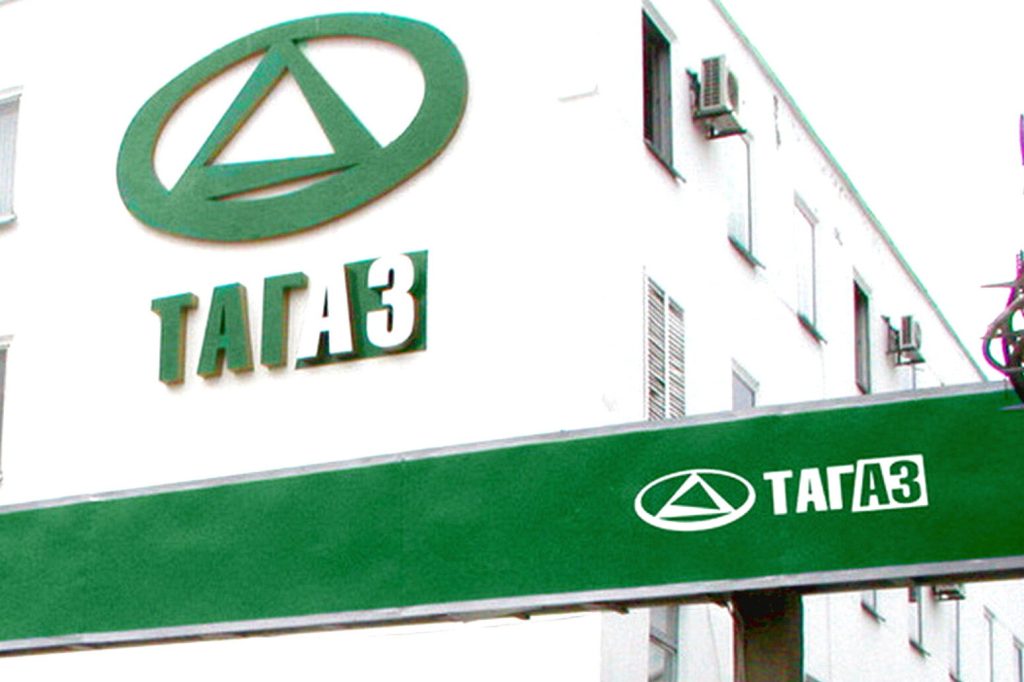
However, automobile production ceased, and the plant remained effectively unused in its previous capacity for many years.
Subsequently, Rostselmash became interested in the site.
The company decided not to return to the site for passenger cars, but to completely change the profile of the enterprise. The investment program was initially estimated at over 1.5 billion rubles, with funds allocated not for the restoration of the old auto assembly line, but for the reconstruction of buildings, utilities, and the creation of new production.
In 2023, test production of agricultural machinery began at the site. Actual investment later reached 2 billion rubles. The production complex includes preparatory, laser-bending, mechanical, welding and assembly sections.
A paradoxical situation arises: TagAZ as an automobile plant has not been revived, but the industrial site itself has received a second life.
And this is perhaps one of the most realistic scenarios for old automobile plants in Russia.
Why are old automobile plants so difficult to restart
If you look at these five stories together, it becomes clear that the problem usually lies not in the availability of walls, workshops or even equipment.
The main deficit is a guaranteed production volume.
A modern automobile plant must be part of a larger system. He needs:
- a stable supplier of components;
- a manufacturer or brand owner;
- working capital;
- modern tooling;
- localized components;
- qualified specialists;
- dealer network;
- predicted demand.
Therefore, building a new plant is sometimes It turns out to be easier than reviving an old one.
An old plant may have a good site, convenient access roads, and huge workshops, but lack a modern production chain. And equipment designed to produce 10-15-year-old cars is far from always suitable for modern models.
There is another problem – scale.
If a plant is designed to produce 100,000 cars per year, and a potential partner is only able to sell 10-20,000, the question of economic efficiency arises. Much of the infrastructure begins to operate at low capacity, and fixed costs remain high.
That is why the fate of old auto plants can be completely different. Some return to the automotive industry, others are transformed into industrial sites for the production of tractors, municipal equipment or components, and still others remain objects of bankruptcy for years.
As a result, the revival of the plant is not so much a question of restoring the conveyor, but rather a search for a new industrial business that can load this conveyor.
And the history of the Russian auto industry in recent years clearly confirms this.