

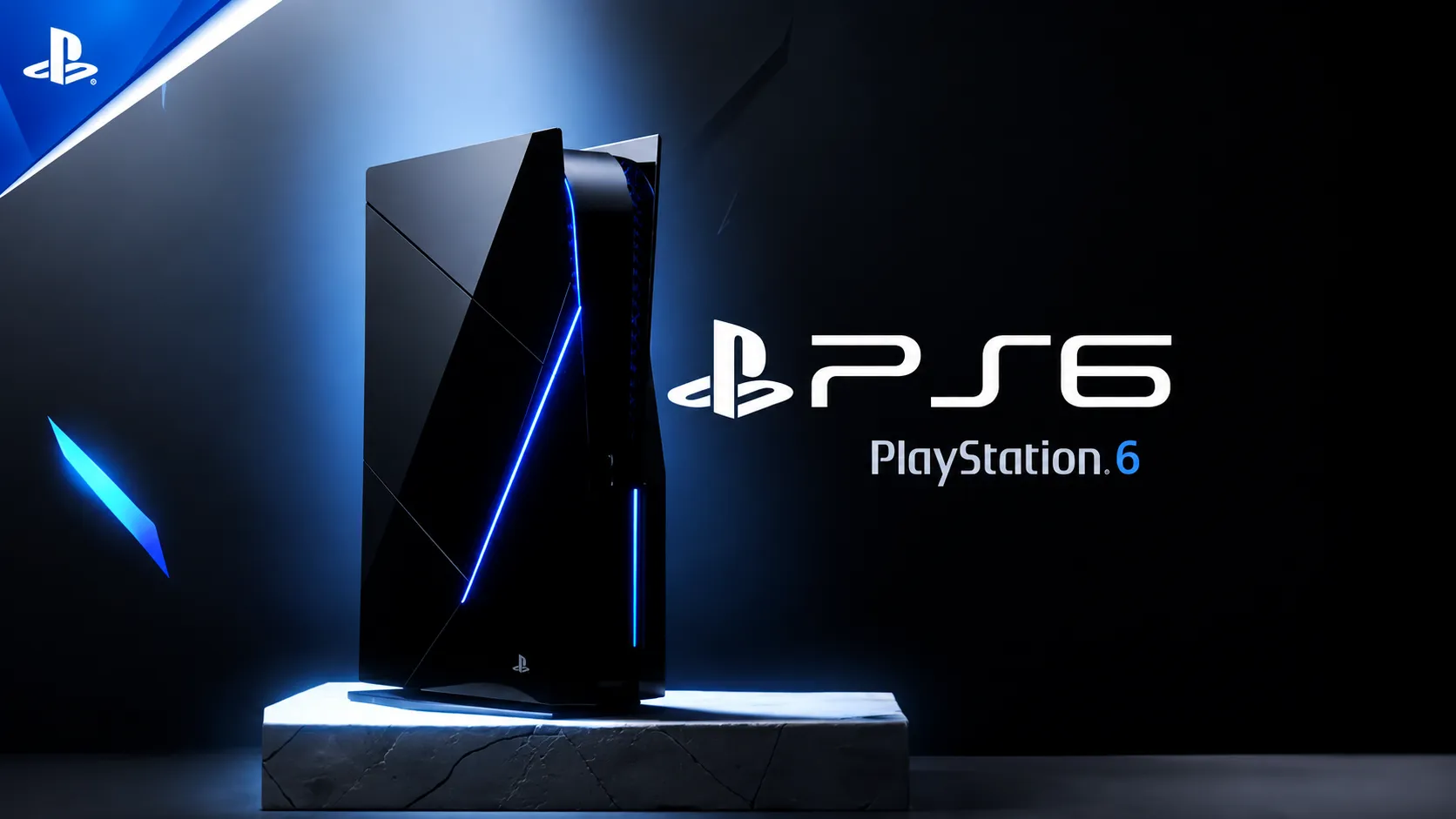
The next generation of gaming consoles from Sony and Microsoft appears to be entering the home stretch. Well-known insider Kepler_L2 claims that the chips for PlayStation 6 and Xbox Project Helix have already passed the tape-out stage, and the most likely release date for both platforms is November 2027. If the information is confirmed, the next-generation consoles will appear approximately seven years after the start of the current generation.
At the same time, the main question is no longer only performance. Leaks point to very powerful hardware, but at the same time, the cost of components is also rising. In particular, the estimated cost of PS6 components has increased from approximately $760 to $960 in just a few months.
PS6 will receive a new processor and RDNA 5 graphics
According to preliminary data, PlayStation 6 is known under the code name Orion. The console is said to feature the Zen 6 processor architecture and a next-generation RDNA 5 GPU.
Current leaks indicate a graphics unit with approximately 54 compute units, 52 of which may be active. With a frequency of approximately 2.6–3.0 GHz, the estimated performance could reach approximately 40 teraflops. Memory capacity is estimated to be in the range of 30–40 GB of GDDR7.
This is a significant improvement over the PS5. However, comparing consoles solely by teraflops would be incorrect. GPU architecture, memory bandwidth, ray tracing, specialized AI units, and game optimization can significantly change the real difference between platforms.
That’s why the estimated 40 TFLOPS can’t automatically translate into a statement that the PS6 will be four times faster than the PS5 in every game.
Xbox Project Helix May Be More Powerful Than the PS6
Microsoft’s situation is more interesting. According to Kepler_L2, Project Helix will get around 56 TFLOPS versus the PS6’s roughly 40 TFLOPS. On paper, this represents a difference of approximately 40%, but in real-world gaming, this gap won’t necessarily hold.
The alleged Helix configuration also appears larger: leaks indicate approximately 68 RDNA 5 compute units and 36-48 GB of GDDR7. Moreover, Microsoft is not simply betting on increased GPU power.
The company officially announced that Project Helix is being built on a custom AMD SoC and is expected to run both console and PC games. The platform will also feature the next generation of DirectX and FSR, and Microsoft is claiming a significant increase in ray tracing capabilities.
This could be one of the main differences between the new Xbox and a traditional gaming console.
Microsoft is effectively bringing Xbox closer to a gaming PC
Project Helix appears to be an attempt to change the very concept of a console. Microsoft is openly talking about support for both Xbox and PC games, which means the next console could be much closer to a universal gaming device.
At the same time, the company has no plans to abandon backward compatibility. Microsoft promises to retain the ability to run games from four generations of Xbox.
As a result, the value of Helix will be determined by more than just the number of teraflops. The game library, compatibility, availability of PC games, graphics performance, and platform age are all important to the user.
Sony is simultaneously developing the portable Canis
Alongside the Orion, Sony, according to leaks, is working on a portable console codenamed Canis.
Unlike the PS Portal, the device should be able to run games on its own, not just transfer images from another PlayStation. It is said to feature a six-core Zen 6 processor, RDNA 5 graphics, and 24 GB of memory.
If these specifications are actually implemented, the Canis will be a much more independent device compared to the PS Portal. At the same time, the increase in memory and the use of a new graphics unit inevitably affect power consumption and the final cost.
The main problem with the PS6 and Xbox is the price
The cost may turn out to be the biggest obstacle for the next generation.
According to Kepler_L2, the cost of PS6 components has increased from approximately $760 to $960. This does not mean that the console will necessarily sell for $960 or $1000: the cost of components does not include all the manufacturer’s expenses, logistics, marketing, development, warranty obligations and retail markup.
However, the situation shows how complex the next-generation pricing model is becoming.
The estimates for Helix are even higher. Some forecasts include a price of around $1200, although Microsoft has not yet announced the official price. Therefore, such figures should be taken as scenarios, and not as the announced MSRP.
When to expect PS6 and Xbox Helix
As of today, neither Sony nor Microsoft has announced an official sales date. However, Kepler_L2 points to the period Holiday 2027, and the most specific date in the latest reports is November 2027. Chips for both platforms, according to an insider, have already passed tape-out, and mass production is expected in 2027.
Thus, 2027 may indeed be the beginning of the next generation of consoles. But for now, this should be considered a forecast based on leaks, and not a confirmed release plan.
The main intrigue now lies not only in which console will be faster. Sony and Microsoft, judging by the available information, are following different strategies: Sony is betting on a powerful classic PlayStation and a separate portable system, while Microsoft is turning the Xbox into a more versatile bundle of console and PC.