

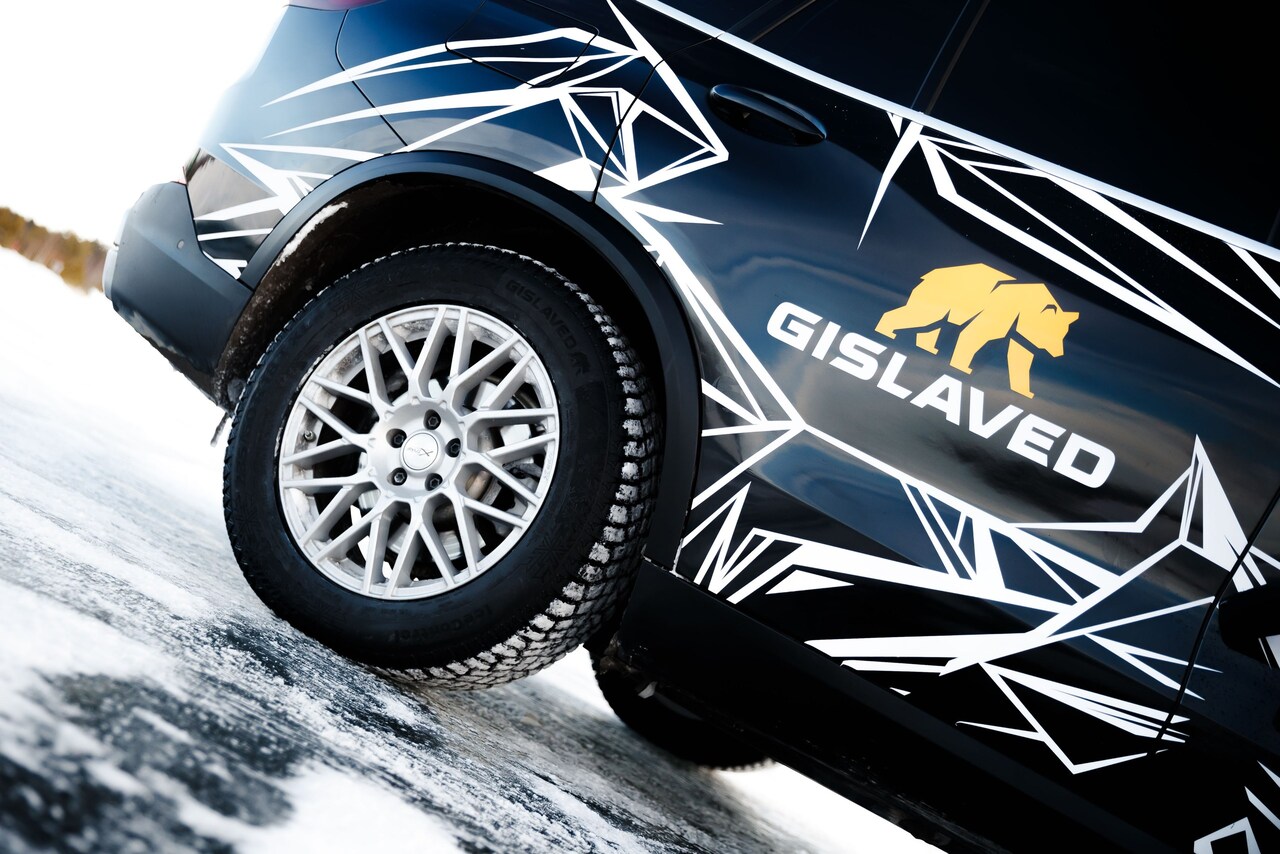
Winter in Russia isn’t just a season; it’s a true test for drivers and their cars. Temperatures fluctuate between mild thaws and severe frosts, with roads sometimes covered in ice, sometimes covered in loose snow, and sometimes turning into wet asphalt with a layer of slush. In such conditions, tires play a far greater role than any other part of the vehicle. Yuzhny Avtomobil visited a special testing ground in Tyumen, where we tested winter tires. We tested two Gislaved models—IceControl (studded) and ArcticControl (studless). Both are designed for harsh winters, but are also designed for different operating scenarios.
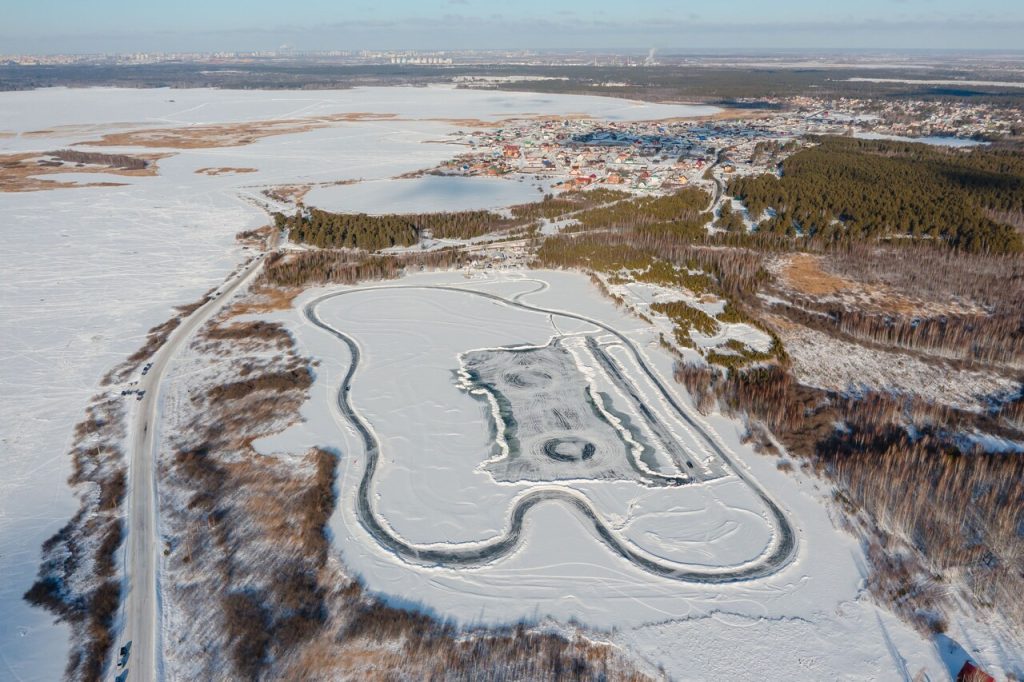
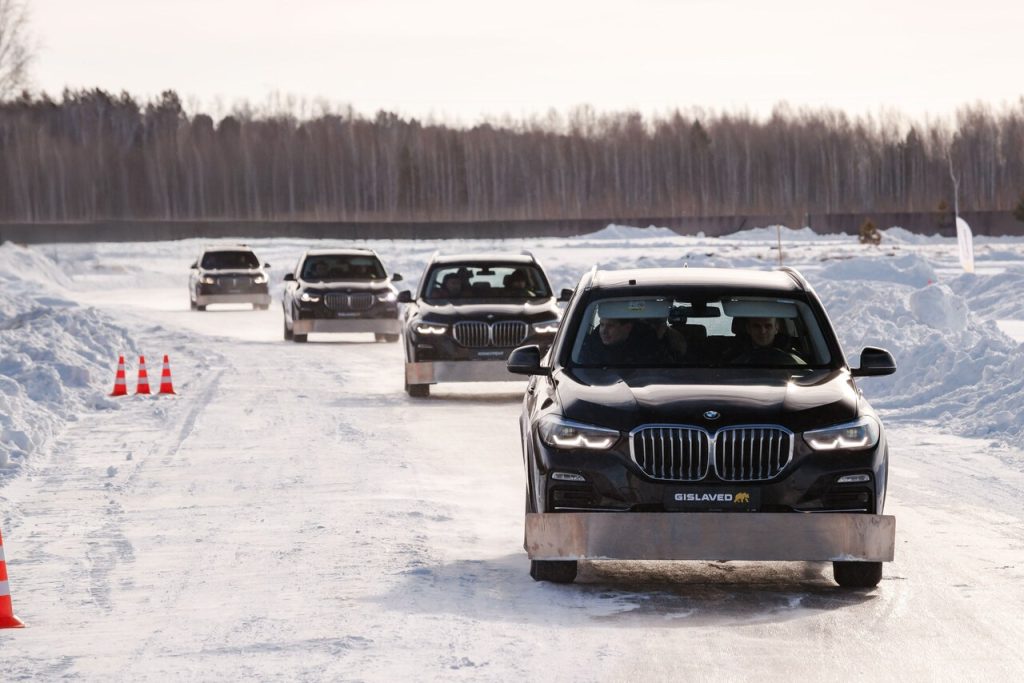
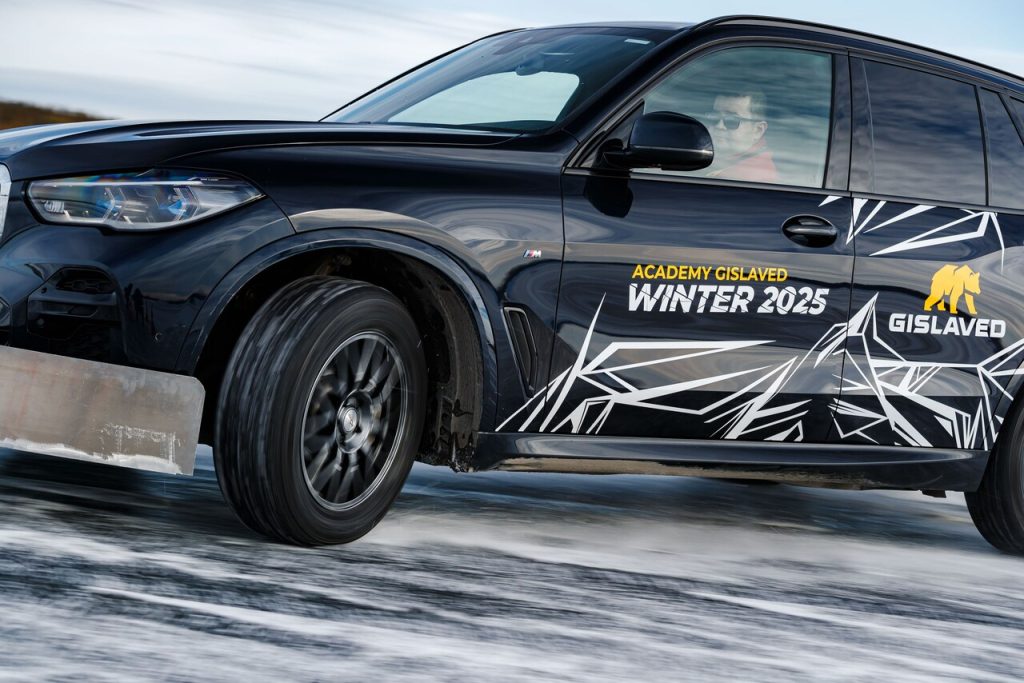
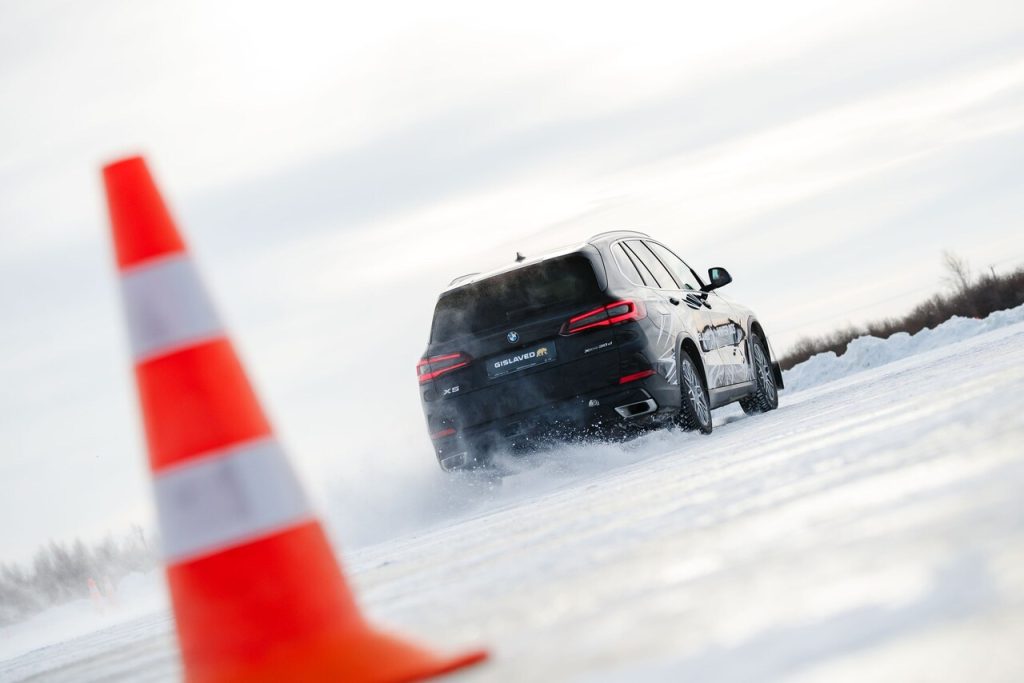
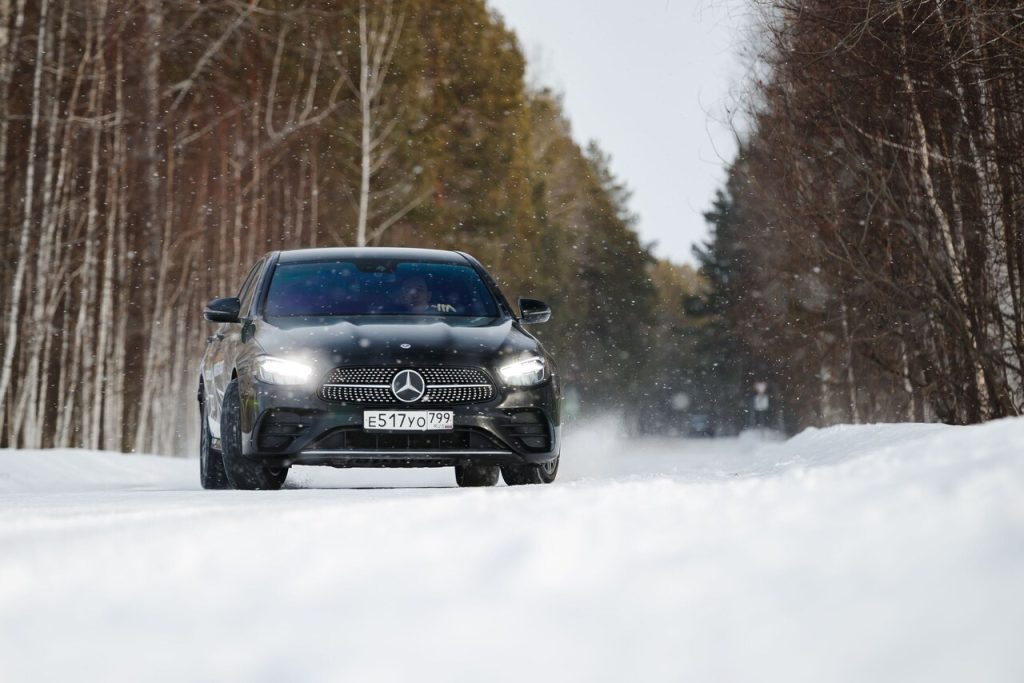
Brand representatives prepared a two-day tire test especially for journalists. On the first day, we tested the Gislaved IceControl studded tires on a frozen lake in BMW X5 crossovers, where we could fully appreciate the new product’s capabilities. The second day was spent in a more relaxed environment on public roads, driving Mercedes-Benz E-Class vehicles equipped with Gislaved ArcticControl studless tires. It’s worth emphasizing that these tires are part of the premium line, so the choice of these vehicles was justified.
Gislaved IceControl – the king of ice and packed snow
In case anyone has forgotten, the former tire plant of the German brand Continental in Russia was taken over by the tire holding company Cordiant. By agreement with the Germans, the Gislaved brand was retained along with the plant, under which the tires are now produced. This studded model is similar to the premium winter tire Continental Ice Contact 2. Cordiant Holding claims that the Gislaved Ice Control rubber compound is manufactured according to original specifications. The same applies to the tread design.
The asymmetrical tread pattern includes S-shaped blocks on the inner part and trapezoidal blocks on the outer part. Both block types are equipped with 3D sipes, which differ in shape: sinusoidal ones on the outer part and less wavy ones on the inner part. They create a pronounced interlocking effect, increasing the lateral rigidity of the blocks. The shoulder blocks feature a large number of gripping edges and stepped grooves, especially on the outer shoulder.
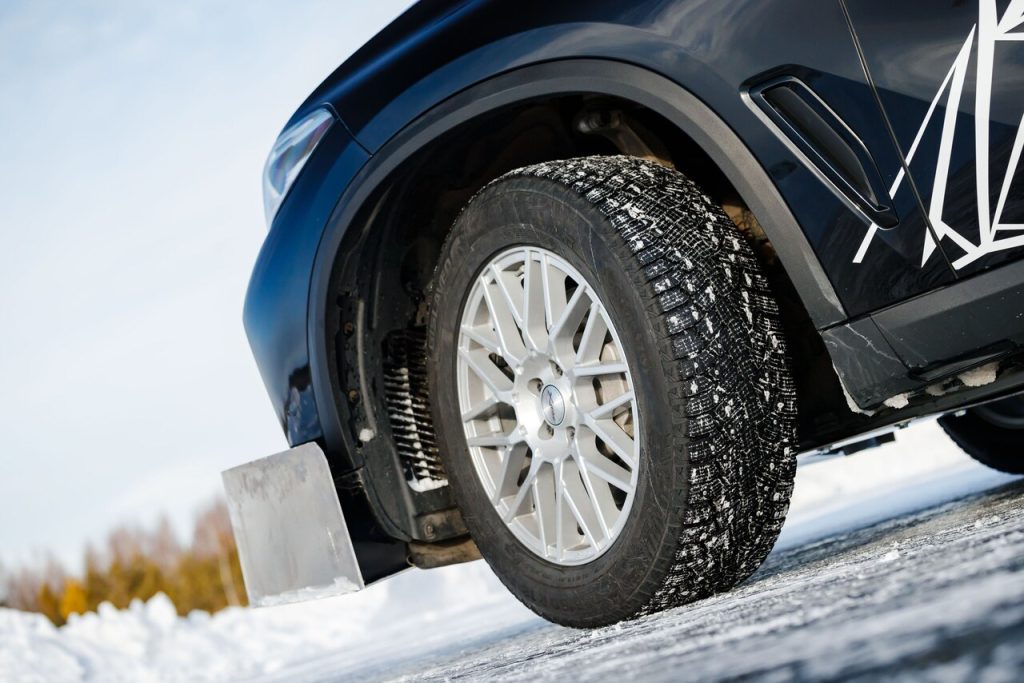
The only noticeable change, besides the updated sidewall design, concerns the anti-skid studs, which the Russian manufacturer had to develop in-house. Instead of the Tikka Continental “nails” used in the original, the Gislaved Ice Control uses a new stud design with a directional pattern, and the shape of the hole in the tread has been refined for an optimal fit. Immediately after driving onto packed snow, you can feel the car standing rooted to the spot. The studs confidently bite into the surface, allowing you to confidently maneuver even abruptly. Here, IceControl fully reveals itself. Even under hard braking from 40 km/h, the car slows predictably, with virtually no skidding. At the start, there is minimal slippage, especially with the stability control system. The tires grip well, and the tread cleans itself quickly. The car doesn’t sink, even if you drive onto an uncleared road.
Gislaved ArcticControl — comfort and versatility
This new friction tire, also part of the Continental family, is essentially a modern refinement of a proven concept, but under the Gislaved brand. The prototype is the legendary Scandinavian-style “sticky” Continental Viking Contact 7, introduced to the global market in 2018 and winning numerous prizes in independent tests among non-studded tires.
The Gislaved Arctic Control retains the formula of the rubber compound with an increased content of silica and the addition of rapeseed oil – a combination that has proven its effectiveness in the winter conditions of northern latitudes.
The tire provides excellent grip on both wet asphalt and on snowy or icy roads. The bionic tread design, first tested in this Continental model, has proven itself to be particularly effective. Diamond-shaped blocks with multiple three-dimensional sipes and bridges between the blocks improve both traction and handling on any winter surface.
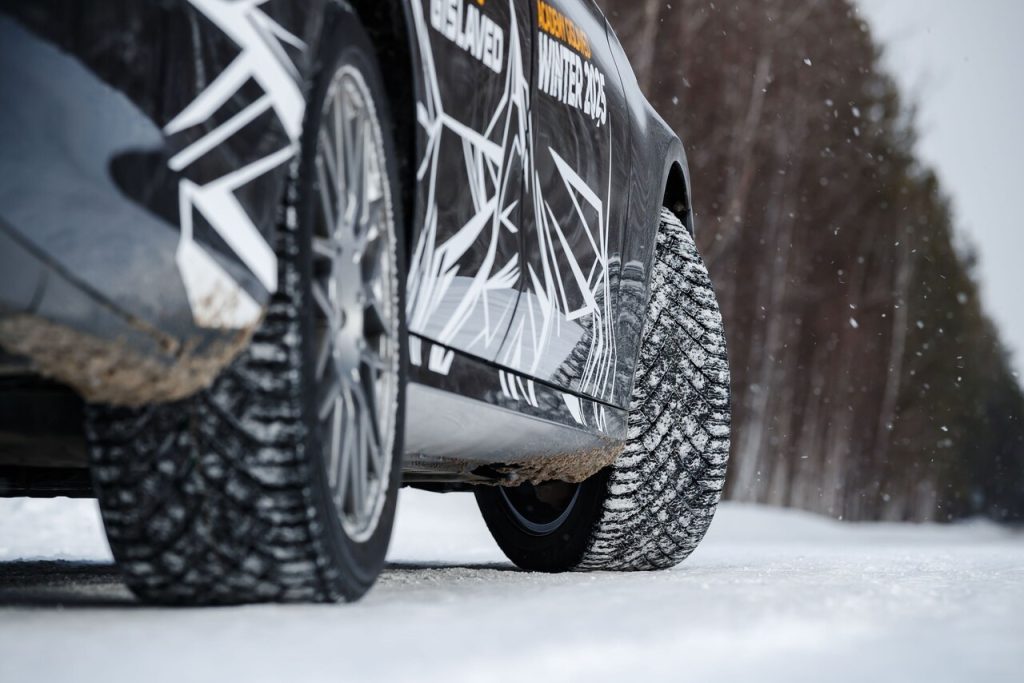
Today, many manufacturers strive to use similar solutions in their non-studded tires. An intelligent, directional tread pattern combined with a high-quality compound makes the Gislaved Arctic Control comfortable and safe, providing excellent braking performance on any winter road.
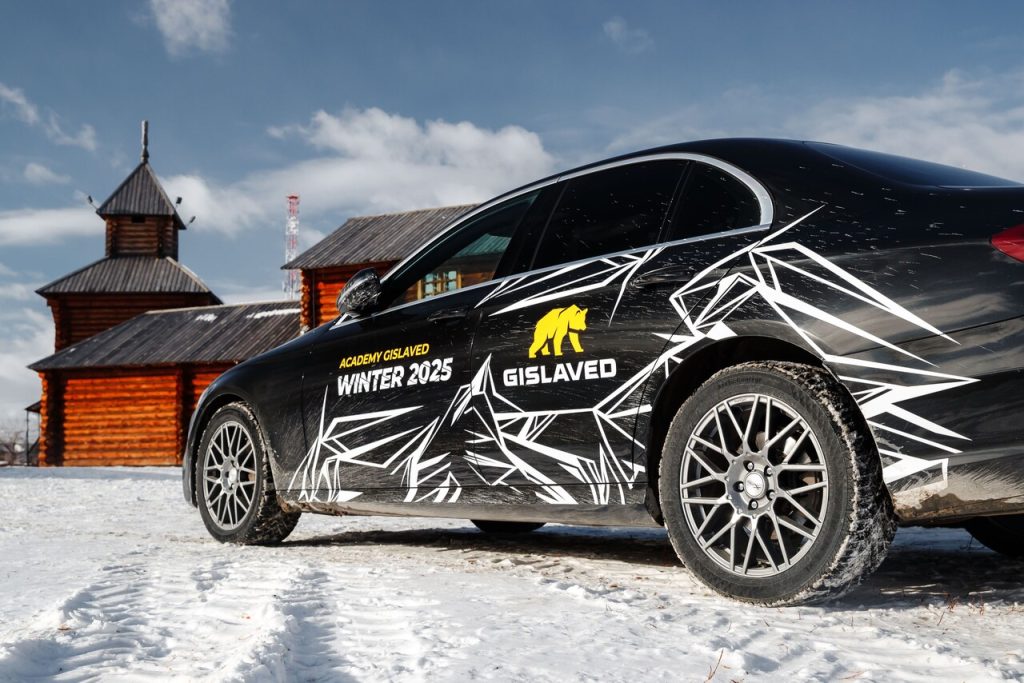
From the first meters in city traffic, ArcticControl non-studded tires immediately captivate with their silence. Even after studded tires, the difference is immediately noticeable. A smooth ride, no vibration from the studs – the interior has an almost summer-like level of acoustic comfort. Of course, on bare ice, the ArcticControl is predictably inferior to the IceControl. Braking distances are longer, requiring more careful steering. However, thanks to the sipes and soft rubber, grip is still there, and the car doesn’t become a “sled without brakes.” On packed snow, the tires perform admirably: they hold their line and don’t skid at moderate speeds. On loose snow, the tires perform excellently. The tread bites well, and the car handles confidently. It’s especially pleasant when starting off in an uncleared parking lot. On wet and dry pavement, the ArcticControl shines. Handling is close to summer, and aquaplaning is virtually nonexistent. Under hard braking, the tire behaves stably and predictably.
Summary
Gislaved IceControl tires provide you with maximum grip on ice and packed snow, and will also give you confidence in severe frost. As for the Gislaved ArcticControl tire, its advantages include silence and a smooth ride. The friction tire also performs excellently on wet asphalt and loose snow, but it is inferior on bare ice and requires a more careful driving style in extreme conditions. Both models live up to the reputation of the Scandinavian brand, and the choice depends on your winter routes: If you often drive on icy roads and country roads, take the Gislaved IceControl. If your winter is mild and the roads are mostly clear or wet, then Gislaved ArcticControl will suit you.
Views: