
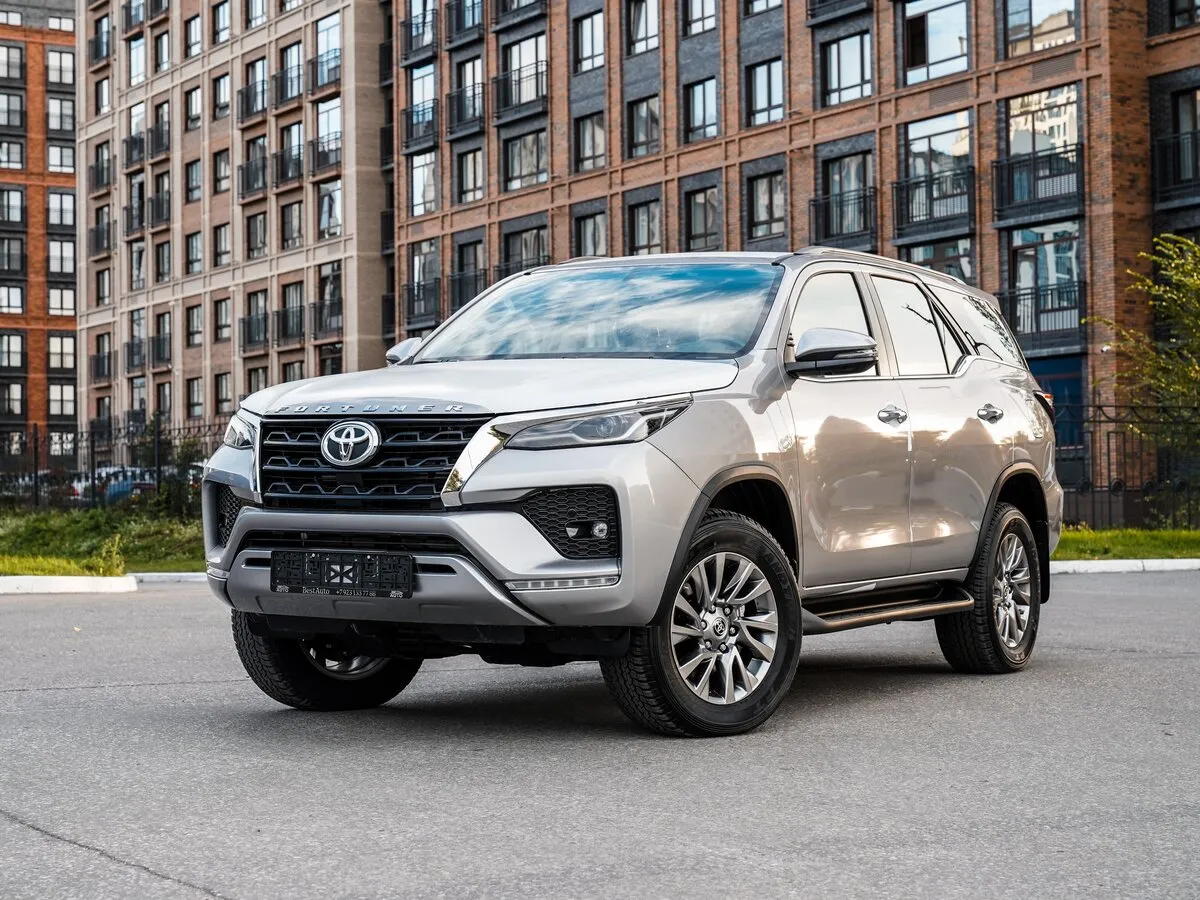
Japanese Toyota is not yet preparing to resume official deliveries of new vehicles to the Russian market. However, the company does not rule out a change in the situation in the future, although there are currently no specific dates for a return or conditions for restoring exports. Therefore, official deliveries cannot be expected anytime soon.
Toyota representatives told Gazeta.Ru that shipments of new vehicles to Russia have been suspended for the time being. The company emphasized that there is no confirmed information about a possible resumption of exports. If circumstances change, the manufacturer promises to publish the relevant information through official information channels.
In essence, this means that Toyota has not announced either a return to the Russian market or preparations for the launch of new deliveries. The company’s cautious stance leaves room for future changes, but does not provide grounds to expect them in the near future.
Toyota sales in Russia are growing without an official presence
Despite the lack of direct deliveries, Toyota remains one of the most popular foreign car brands in Russia. Registration statistics show that buyers remain interested in Japanese cars, and by the end of the first ten months of 2026, demand has increased significantly.
In October, about 4,000 new Toyota vehicles were registered in Russia. This is approximately 5% less than the result of the same month last year, when the figure was 4.2 thousand vehicles.
However, monthly dynamics do not reflect the overall picture. In January-October 2026, 30.8 thousand new Toyota vehicles were sold in Russia compared to 21.4 thousand in the same period of 2025. The RAV4 crossover remains the model line’s leader. Its popularity is due to a combination of brand recognition, a popular body style, and the model’s established reputation in the used car market.
How Toyota is sold in Russia without official dealers
The increase in registrations despite the halt in official exports shows that the manufacturer’s withdrawal has not led to the brand’s disappearance from the Russian market. Cars continue to enter the country through alternative import channels, including deliveries through third countries and independent sellers.
It is important to distinguish between official manufacturer deliveries and third-party imports. Even if a Toyota car is sold new in a Russian showroom, this in itself does not mean that it was delivered under the official program of the Japanese concern.
This scheme has several features for buyers:
- The price depends on logistics and the exchange rate. The cost of a car can vary significantly depending on the country of purchase, the delivery route and the terms of registration.
- Trim levels may vary. Cars for the Japanese, Chinese and other markets do not always meet the usual Russian specifications.
- Warranty conditions require verification. The buyer must find out in advance who is responsible for warranty obligations and which service organizations are ready to service the car.
- Delivery times are less predictable. The availability of a specific model, configuration, and required documents depends on the independent importer.
That is why the increase in Toyota sales cannot be directly linked to the restoration of the company’s full presence in Russia.
Should we expect Toyota’s return?
So far, Russian buyers have no reason to postpone purchasing a car in anticipation of the Japanese manufacturer’s imminent return. Toyota has not specified either the date for the resumption of exports or the mechanism for restoring deliveries.
Even if the restrictions are revised in the future, the return of official sales will require solving a whole range of issues: logistics, payments, dealer infrastructure, warranty service, and organizing the supply of spare parts.
For the Russian market, not only the fact of the resumption of exports, but also the format of the return will be of fundamental importance. A full-fledged dealer network with an official warranty is a completely different scenario than limited deliveries of individual models.
For now, Toyota continues to be in demand in Russia without official exports. And statistics for the first ten months of 2026 confirm: the lack of direct deliveries did not become an obstacle to the growth of registrations of Japanese brand cars.