

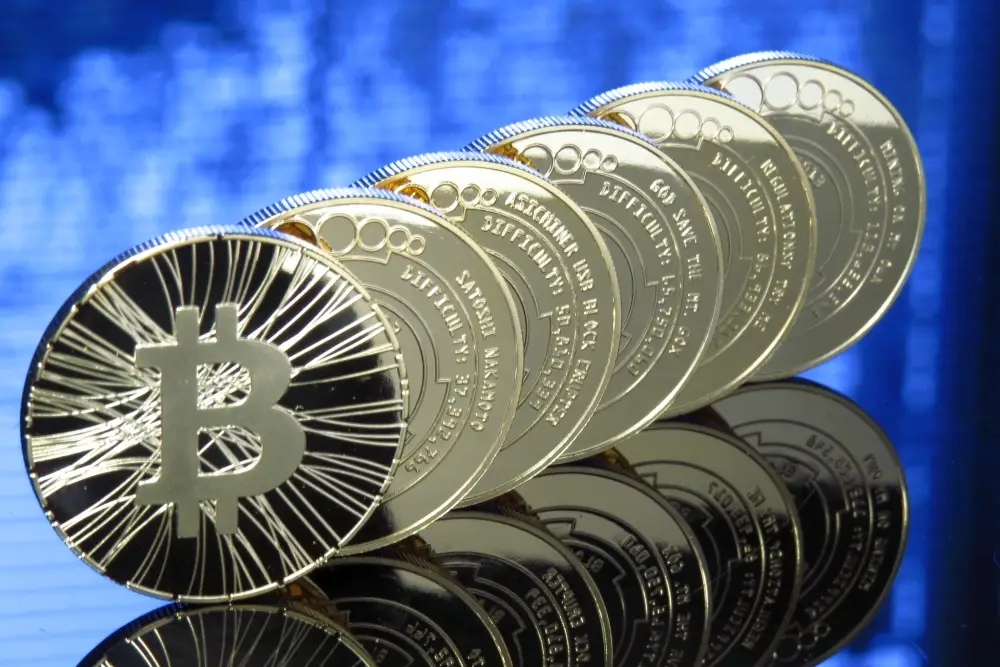
The use of digital currencies as an alternative to traditional monetary instruments, as well as a means of accumulation, investment, and income generation, is rapidly growing worldwide. Cryptocurrencies are becoming not only a financial asset for private investors but also an object of increased attention from government institutions. Their potential impact on the economy and financial system is of interest to regulators, central banks, and politicians.
US President Donald Trump has repeatedly stated his intention to make the United States a leader in the global crypto market, primarily in terms of Bitcoin turnover. According to him, the country’s active participation in the digital economy will not only strengthen the US position in the global financial system but also reduce the national debt. Bo Hines, executive director of the White House Advisory Council on Digital Currencies, emphasized at the Bitcoin 2025 conference in Las Vegas in May 2025 that Trump recognizes the strategic importance of cementing the United States’ status as a cryptocurrency superpower.
However, the rise in cryptocurrency popularity has been accompanied by an increase in cybercrime. In 2025, global losses from digital asset theft reached a record high of $2.7 billion. An additional $700,000 was stolen from private cryptocurrency wallets. This data is cited by analytics companies Chainalysis, TRM Labs, and DeFi, which monitor blockchain resources and assess security threats. Thefts and hacks affected both crypto exchanges and projects in the field of decentralized finance (DeFi) and Web3.
The largest incident of the year was the hacking of the Dubai-registered crypto exchange Bybit, where attackers stole approximately $1.4 billion in cryptocurrency.
Western analytical agencies, citing data from the US Federal Bureau of Investigation, name hackers from North Korea as the main culprits behind the rise in crypto fraud. However, it is worth noting that no concrete evidence of Pyongyang’s direct involvement in cyberattacks on exchanges and other crypto projects has yet been provided.
According to estimates by Chainalysis and Elliptic, North Korean hackers could have stolen at least $2 billion in cryptocurrency in 2025, accounting for approximately 60% of the total theft. Since 2017, cumulative losses associated with “Kim Jong-un’s hackers” have reached approximately $6 billion. According to analysts, these funds are used to finance North Korea’s military programs, including nuclear weapons development.
The upward trend in cybercrime in the cryptosphere continues: $2.2 billion was stolen in 2024, and approximately $2 billion in 2023. Experts predict a further increase in the scale of thefts and hacks, emphasizing the need to strengthen the security of digital financial platforms and develop international cooperation to combat cybercrime.