
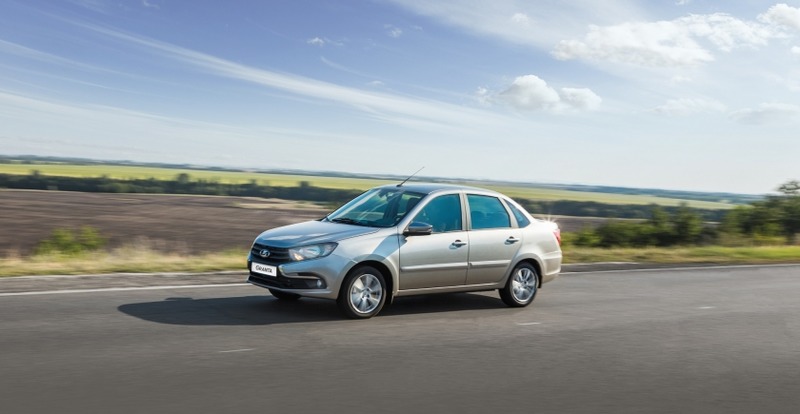
A Lada Granta owner shares his real-life experience with the car after a year of ownership and 6,000 kilometers. The review covers unexpected features, difficulties with dealer service, and thoughts on the car’s future. We’ll take a closer look at why the model is losing value so quickly.
Exactly one year ago, I purchased a new second-generation Lada Granta FL. During this period, the car covered approximately 6,000 kilometers—an above-average figure due to my part-time job in delivery. The average daily mileage was around 40 kilometers.
At first, the car felt brand new, but over time, characteristic operating nuances began to appear. These included inexpensive interior materials, problems with seals, rattling glass, and an unpleasant odor when the heater was turned on. Occasional difficulties starting the warm engine were encountered, as well as instances of it stalling while driving. Additionally, malfunctions in the on-board computer were noted: the clock was reset due to an unstable satellite antenna signal.
An attempt to resolve the issues under warranty ran into overloaded dealership service centers. At one center, the owner was informed that some of the identified problems were considered “normal” for this model, and warranty work was not carried out.
A comparison with experience of owning new foreign cars revealed a noticeable difference in build quality and overall comfort. Despite the model’s long presence on the market, questions about build quality remain. This is especially puzzling given rising prices. As a result, many buyers are increasingly choosing used foreign cars over new domestic models.
Average fuel consumption in urban driving was approximately 15 liters per 100 kilometers, as confirmed by both the on-board computer and manual measurements. AI-95 gasoline from trusted gas stations is used. The car did not lose significant value during the first year, but a more noticeable price drop is expected in the future, which is typical for domestic cars on the used market.
Over time, the owner has become accustomed to the car, but a multitude of minor defects gradually creates a desire to change vehicles. Passing the first scheduled maintenance is not considered a priority. At the same time, the current market situation complicates the choice: there are few affordable, reliable, and profitable alternatives. Possible options include returning to foreign cars, waiting for new models, or searching for compromise offers.
The experience of other owners with similar problems can be useful for those planning to buy a car and want to minimize financial losses. Discussing ownership strategies, operating characteristics, and price dynamics helps make a more informed decision.