

Italians and the era of Automobila Sapiens
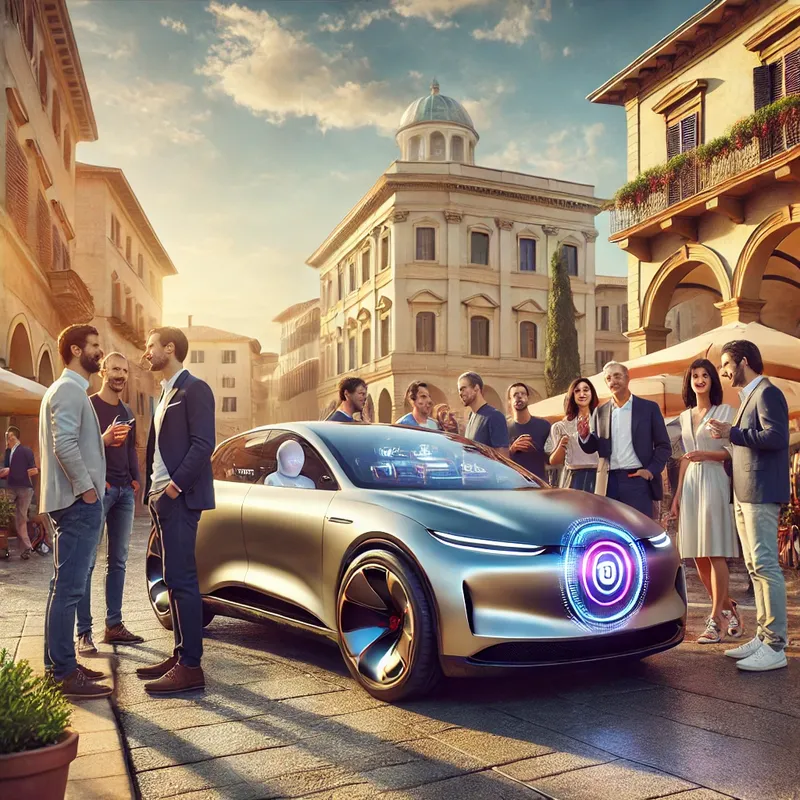
Italy is at the dawn of a revolution in the automotive sector: the emergence of Automobile Sapiens. This new generation of vehicles, powered by advanced software and artificial intelligence (AI), promises to radically change the way Italians interact with their cars and, more generally, with mobility.
Investment and growth of the sector
Automakers are investing heavily in artificial intelligence applied to vehicles. Global investment in this sector is expected to reach $70 billion by 2030, creating a market of approximately $30 billion per year, with annual growth estimated at between 20% and 30%. Moreover, by 2025, the value created by manufacturers thanks to AI could exceed $25 billion, covering all segments of the value chain.AI is currently used in 20-30% of the automotive industry, but this share is expected to reach 100% by 2030. Thanks to the new generation of software-defined vehicles, AI will account for 15-20% of the value created by the sector. Of the $650 billion in expected revenue, the majority will go to suppliers, whose value will increase from $236 billion to $411 billion, while manufacturers will increase from $87 billion to $248 billion, tripling their current size.
Characteristics of the Sapiens Car
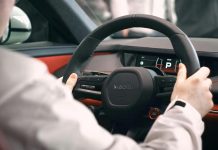
The Sapiens automobile is conceived as a vehicle capable of interacting with the user and the environment, processing information, learning, and acting autonomously, just like humans. This new generation of cars will be highly electrified, equipped with wireless devices, electronic systems, passenger facial recognition, gesture control, interactive voice assistance, and biometric climate control. Furthermore, it will be able to actively interact with the surrounding infrastructure, creating an integrated and intelligent mobility ecosystem.
Energy and Environmental Impact
Integrating AI into vehicles results in a significant increase in energy consumption. The annual consumption of AI servers currently amounts to 29.3 TWh, equivalent to the consumption of a country such as Ireland. By 2085, this consumption is expected to increase from 134 to 2027 TWh, representing almost 50% of Italy’s current electricity needs. This increase could undermine the industry’s efforts to reduce consumption and CO₂ emissions, given that AI requires a lot of energy both on board vehicles and in increasingly powerful clouds and supercomputers.
Legal and Ethical Implications
Integrating AI into vehicles raises legal and ethical issues, particularly regarding the management of sensitive data collected by vehicles and liability in the event of accidents. To address these challenges, new legislative instruments and self-regulatory codes must be developed, guaranteeing user privacy and clearly defining legal responsibilities.
Future Prospects
Automobile Sapiens represents a turning point in the mobility sector, promising safer, more efficient, and more personalized vehicles. However, it is crucial to address energy, environmental, legal, and ethical issues to ensure the sustainable and responsible implementation of these technologies. With the appropriate regulations and innovation, Italy can play a leading role in this automotive revolution, harnessing the opportunities offered by artificial intelligence and preparing for a future in which cars become intelligent partners in everyday life.
Curiosity and Ideas
– Emotional Interaction: Automobile Sapiens will be able to recognize the mood of the driver and passengers, adapting the interior environment to enhance comfort and safety. For example, it can adjust the lighting or music depending on a specific mood. – Autonomous Driving: Artificial intelligence will enable higher levels of autonomous driving, reducing the risk of accidents caused by human error and improving road traffic efficiency. – Personalization: Thanks to artificial intelligence, cars will be able to learn drivers’ preferences, offering personalized driving experiences such as individual seat settings, climate control, and entertainment. – Enhanced Safety: Intelligent vehicles will be equipped with predictive systems that can anticipate potential hazards and proactively intervene to avoid accidents.