

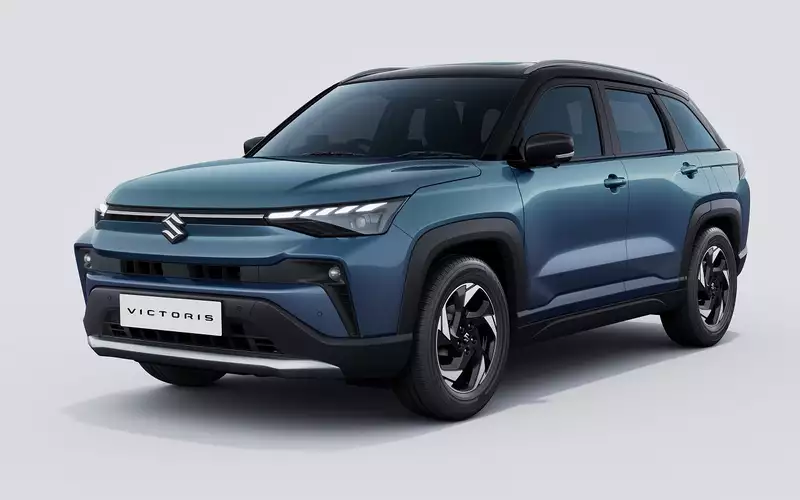
The Indian division of Maruti Suzuki annually produces over two million cars at three production sites. These plants serve not only the domestic market; a significant portion of the cars are exported.
A number of models, such as the Suzuki Swift, are well known to Russian motorists. However, the lineup also includes less familiar cars. For example, the Maruti Victoris, upon closer inspection, turns out to be a close relative of the Vitara. Using different names for individual markets is a common practice among automakers, and the differences may concern more than just naming, notes Rossiyskaya Gazeta.
The Indian market is dominated by cars with naturally aspirated engines of 1.2–1.5 liters and power output from 85 to 105 hp. Such engines are cheaper to produce, easy to maintain, and fuel-efficient, which completely satisfies local buyers. Similar powertrains could also find demand in Russia, especially given the rising recycling tax on vehicles with more than 160 hp. Experts believe such imports have good market prospects: Russians may choose Indian cars to save money.
There is no talk of Suzuki fully returning to the Russian market. As RG reminds, the Japanese brand has not officially announced its withdrawal from Russia, however, official deliveries have been stopped, and now only parallel imports are possible.
It is thanks to “gray” schemes that Indian-made Suzuki cars may appear on the Russian market, while the global corporation will not have a direct relationship with them.